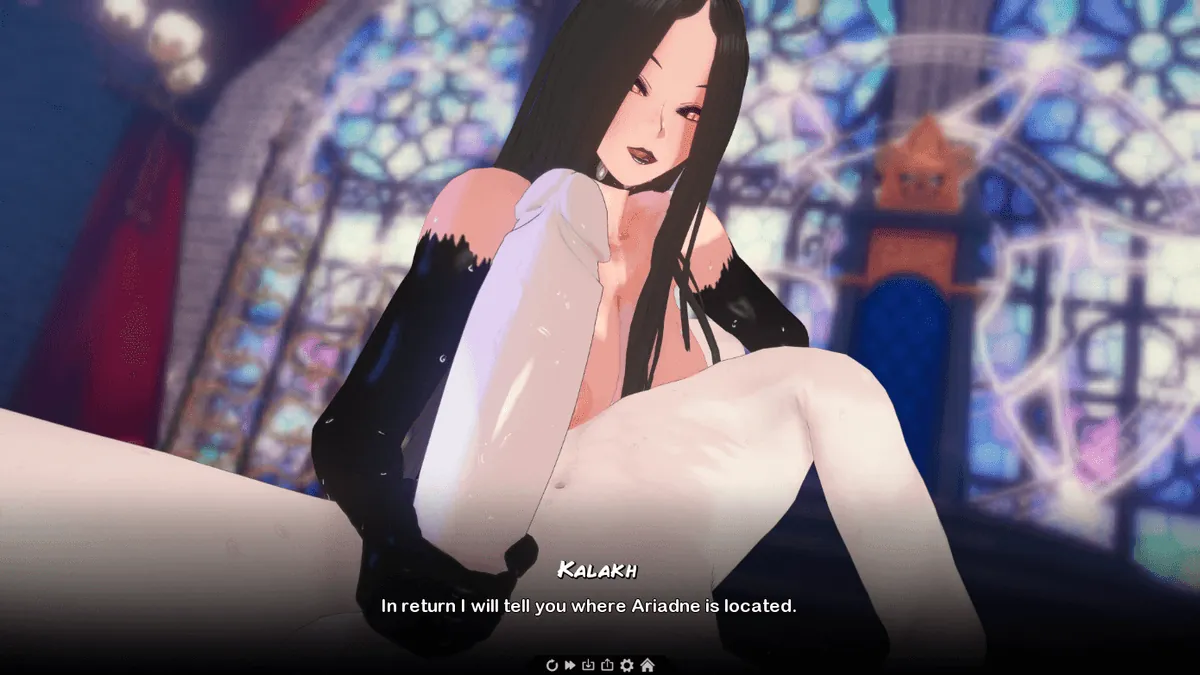
Play Avalon
Avalon Screenshots

















Avalon review
Story, choices, and player experience inside Avalon
Avalon is a narrative-driven adult game that blends visual storytelling, relationship building, and player choices into a single experience. If you have seen screenshots or recommendations and wondered what Avalon is really like, this breakdown is for you. In this article, I’ll walk you through how the game feels to play, how the story unfolds, and what to expect in terms of pacing, character depth, and replay value. I’ll also share some personal impressions and practical tips so you can decide whether Avalon fits the type of immersive, mature experience you are looking for.
What Is Avalon and How Does the Game Work?
So, you’ve heard the name floating around and you’re wondering: what is Avalon, really? 🤔 Is it another fantasy RPG? A competitive strategy title? If you’re picturing complex skill trees or frantic button-mashing, let’s reset those expectations. At its heart, Avalon is an immersive, adult-focused narrative experience. It’s a visual game where the story isn’t just a backdrop—it’s the entire point. Think of it less as a traditional “game” in the classic sense and more as an interactive storybook or a choose-your-own-adventure series where your decisions genuinely shape the journey.
The core Avalon gameplay loop is elegantly simple: you read, you watch, you choose. You’ll be presented with beautifully rendered scenes and engrossing dialogue, and at key moments, you’ll select from options that influence how characters perceive you and how the plot unfolds. There are no quick-time events demanding lightning reflexes, no intricate combat systems to master. The challenge—and the profound satisfaction—comes from navigating complex social dynamics, building relationships, and living with the consequences of your words. Your primary tools are empathy, attention, and your own moral compass.
What kind of game is Avalon?
Let’s get specific. If you’re new to this genre, calling Avalon a “visual game” might sound vague. Here’s the breakdown: it belongs to a category of games that prioritize visual storytelling and character interaction above all else. You step into the shoes of the main character, and through their eyes, you meet a cast of characters, with the enigmatic Avalon often at the center of the narrative whirlwind.
The format is straightforward but deeply engaging. You’ll spend most of your time:
* Reading dialogue and inner monologues that reveal personalities and plot.
* Watching scenes unfold through high-quality visuals that set the mood and tone.
* Making critical choices during conversations that can alter relationships and story paths.
I remember booting it up for the first time, expecting to just sample the Avalon story. An hour later, I was completely hooked, not because I’d unlocked a new weapon, but because I was desperately trying to navigate a tense, emotionally charged conversation. I needed a certain character to trust me, and every dialogue option felt like a high-wire act. That’s the magic. The “gameplay” is the tension of a carefully worded reply, the thrill of unlocking a vulnerable, private scene with a character because you’ve consistently been kind, or the gut-punch of a relationship fraying because of a careless comment you made chapters ago.
You progress through the Avalon game in episodes or chapters. Each installment introduces new layers to the characters, delves into backstories, and deepens the central mysteries. It’s a slow-burn in the best way possible, where the payoff is emotional resonance rather than a boss fight trophy.
How does Avalon’s story and progression unfold?
The narrative engine of Avalon is driven by its characters and your Avalon choices. You typically follow a central storyline that focuses on your protagonist’s life and their evolving connection with Avalon and others in their orbit. However, this main path is richly decorated with side moments—quieter scenes that allow you to learn about a character’s past, their hopes, or their fears. These aren’t just filler; they’re essential for building the depth that makes the story compelling.
Your choices are the steering wheel. They might seem small in the moment—a supportive nod versus a sarcastic joke, a decision to share a secret or guard it closely—but they have weight. This system influences two major things:
- Relationship Dynamics: Your choices build (or erode) trust, affection, and loyalty. A character you’ve been open with might confide in you later, unlocking a whole new story branch. Conversely, someone you’ve brushed off may shut you out when you need them most.
- Story Branching: While there may be overarching plot points, the how and with whom you experience them can change dramatically. Certain Avalon choices can open or close entire scenes, change the tone of an event, or determine which character takes center stage in a particular chapter.
Pro Tip: Manual saves are your best friend in an Avalon visual game. Before any major conversation or decision, hit that save button. It allows you to live with your choices on a first playthrough (which I highly recommend for authenticity), and then easily go back to see how a different path unfolds. Replaying key chapters to explore alternate outcomes is a huge part of the fun and depth.
Here’s a simple way to visualize how your journey can diverge:
| Your Choice In Chapter 2 | Potential Story Impact in Chapter 4 |
|---|---|
| Comfort Avalon after a setback. | She seeks you out for advice during a crisis, sharing crucial information. |
| Tell Avalon to toughen up. | She handles the crisis alone, and you hear about it second-hand, feeling distant. |
| Skip a side event to help a friend move. | You miss a chance encounter that introduces a new ally character. |
| Attend the side event. | You meet the new ally, who later offers you a unique favor or perspective. |
This structure makes the Avalon gameplay highly personal. Your story feels uniquely yours because it’s built on the cumulative effect of hundreds of small decisions.
Who will enjoy Avalon the most? 🎯
This is the most important question: who is Avalon for? Not every game is for every player, and that’s okay. Avalon will sing to a specific kind of player and might feel slow to others.
You will likely love the Avalon game if you:
* Cherish a good story. You get excited about character development, plot twists, and emotional payoffs.
* Enjoy reading and dialogue. You don’t see text as a barrier, but as the primary vehicle for the narrative.
* Like managing relationships. You find the social strategy of building trust and navigating personalities to be rewarding.
* Are patient. You appreciate a slow-burn narrative that takes time to build its world and characters.
Think of it like your favorite bingeable series, but you’re in the director’s chair for the protagonist’s decisions. My own first multi-hour session felt less like gaming and more like I’d read a compelling chunk of a novel and had a hand in writing it. I was surprised by how quickly I felt protective of certain characters and genuinely curious about the secrets of others.
On the other hand, if your ideal game session is defined by fast-paced action, mechanical mastery, or open-world exploration with minimal cutscenes, you might find the pace of Avalon too deliberate. It’s a text-and-choice-heavy experience, through and through.
Practical Advice for New Players:
1. Set the mood. Play when you can have some uninterrupted time to read and absorb the story.
2. Read everything. The nuance is often in the dialogue and the protagonist’s thoughts.
3. Embrace your first choices. Go with your gut for the most personal experience.
4. Use multiple saves. Create a new manual save at the start of each chapter or before big decisions to freely explore later.
5. Talk about it! These stories are fantastic to debrief with friends who are also playing, as you compare your different paths.
In the broader landscape of adult narrative games, Avalon stands out by leaning into genuine emotional storytelling and the weight of everyday (and not-so-everyday) decisions. It’s more about the tension in a glance or the fallout from a broken promise than about pure shock value. Going in with the expectation of a gripping, choice-driven drama is the key to unlocking a truly satisfying experience.
Avalon Beginner FAQ
Q: Is the Avalon game hard to play?
A: Not in a traditional sense! There are no reflexes or difficult puzzles to test your skills. The “challenge” is entirely narrative and social. The hardest part might be making a difficult moral choice with no clear “right” answer. In terms of controls and interface, it’s very accessible.
Q: Do my Avalon choices really matter?
A: Absolutely. While the story has key milestones, your journey between them is shaped by your decisions. Choices primarily affect your relationships with characters, which in turn opens up different scenes, dialogue, and emotional outcomes. You may not change the destination of every plot point, but you have massive influence over the journey and the state of your relationships when you get there.
Avalon is best approached as an interactive, mature visual story rather than a traditional action title. If you enjoy character-driven narratives, meaningful choices, and taking your time with dialog, this game can deliver a surprisingly engaging experience. By understanding how its chapters progress, how decisions shape scenes, and what kind of emotional tone to expect, you can decide whether Avalon aligns with what you want from an adult-focused game. If the idea of settling in with a slow-burn story and guiding relationships through your choices appeals to you, Avalon is well worth exploring for yourself.