Desire of Fate
Play Desire of Fate
Desire of Fate Screenshots

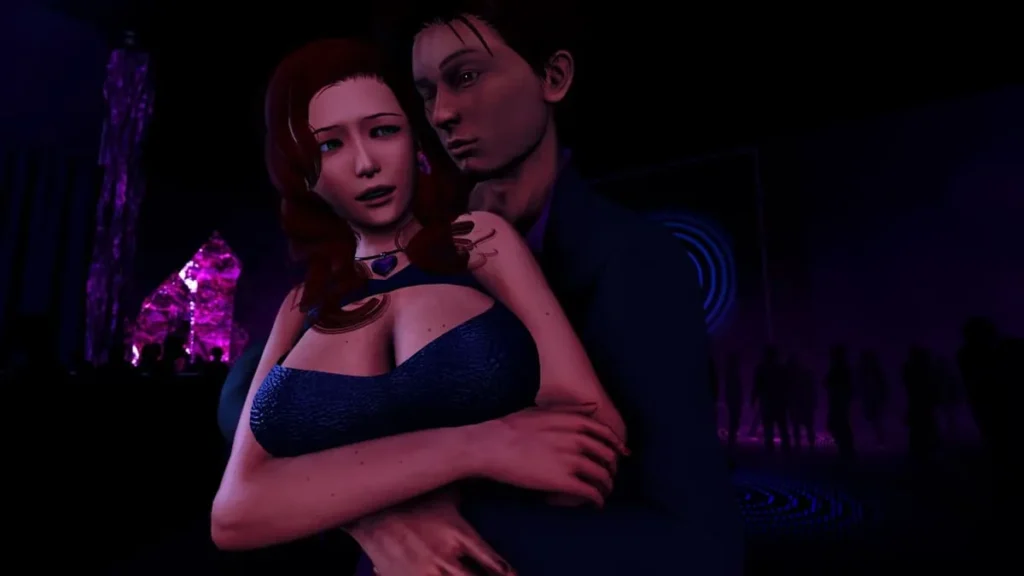

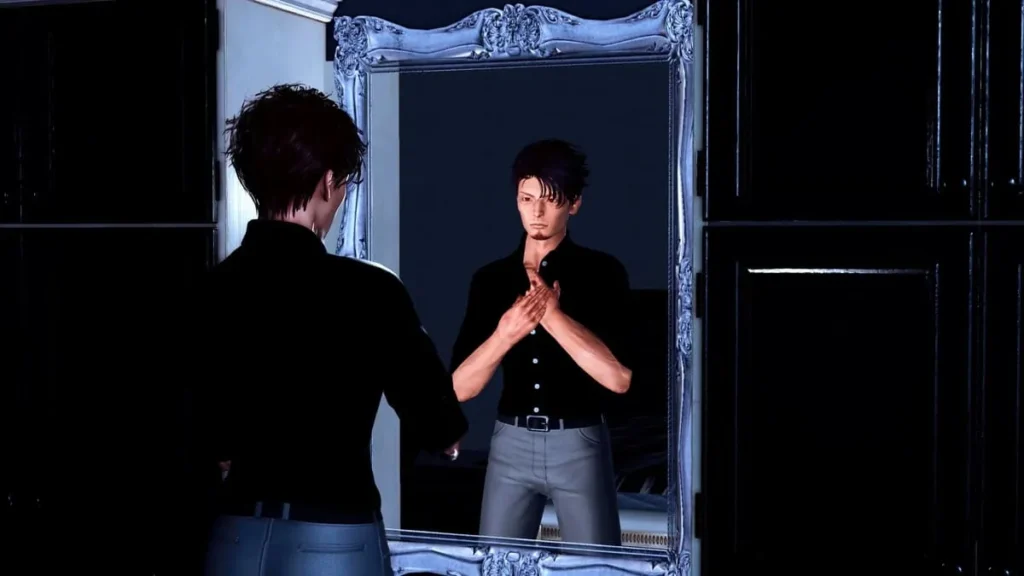






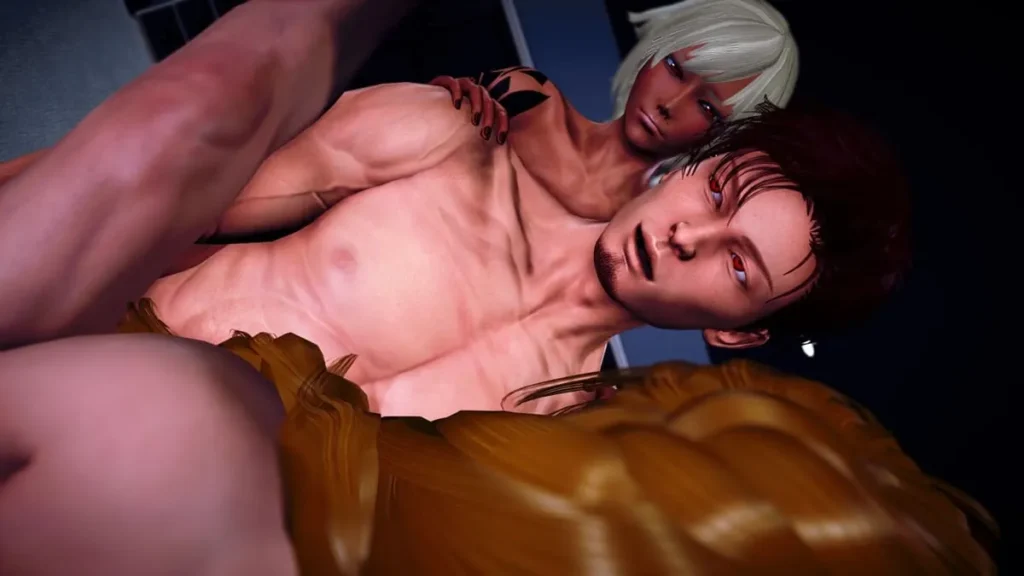











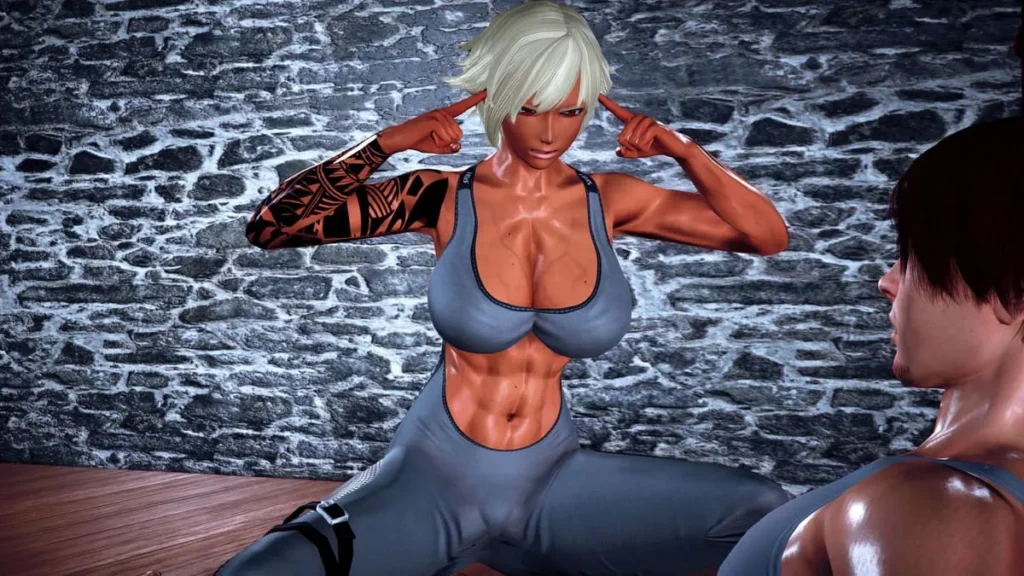
Desire of Fate review
Understanding the Visual Novel Experience and Its Evolution
Desire of Fate represents a significant entry in the visual novel gaming landscape, offering players a unique narrative experience that has sparked considerable discussion within gaming communities. This comprehensive guide explores what makes Desire of Fate distinctive, examining its gameplay mechanics, narrative structure, and the broader context of its release. Whether you’re a seasoned visual novel enthusiast or new to the genre, understanding Desire of Fate’s place in gaming history provides valuable insight into how interactive storytelling has evolved. Our exploration covers the game’s development, its reception among players, and what sets it apart from other titles in its category.
Understanding Desire of Fate: Game Mechanics and Narrative Structure
Remember the last time you played a visual novel and felt like a passenger on a train, just clicking through predetermined stations? 🚂 I sure do. I’ve spent hours with games where my biggest choice was which dialogue flavor-text to pick, all leading to roughly the same destination. It left me wondering, “Where’s my agency? Where’s the adventure?” Then I found Desire of Fate, and it felt like the genre had been quietly evolving right under my nose.
This isn’t just another static storybook. Desire of Fate represents a compelling fusion, a visual novel point and click adventure that asks you to not just read a tale, but to truly live within it. It’s a game that understands your desire to poke around in drawers, talk to everyone, and truly influence a world. If you’ve ever been curious about how does Desire of Fate work to create such a deep experience, you’re in the right place. Let’s pull back the curtain.
What Defines Desire of Fate as a Visual Novel Experience
At its heart, Desire of Fate is a visual novel, but it’s one that has eagerly absorbed the best parts of adventure gaming. It retains the genre’s core strengths—beautiful, evocative art, compelling character close-ups, and a strong emphasis on written narrative and voice acting. However, it critically expands upon the traditional “click to continue” formula. The screen isn’t just a static image; it’s a living environment. You’ll move your cursor around, discovering hotspots that can be examined, characters that can be engaged beyond main story dialogue, and items that can be collected and used.
This shift is fundamental. Instead of passively receiving a story, you are actively uncovering it. The Desire of Fate gameplay mechanics are built on this principle of discovery. The game trusts you to be curious, and it rewards that curiosity with lore, character insights, and sometimes, crucial plot items. This approach makes the world feel tangible. You’re not being told about the protagonist’s dusty, memory-filled attic; you’re clicking on the old trunk, the faded photograph, the peculiar key, and piecing their history together yourself.
So, what are the key tools in your interactive toolkit? Let’s break down the core features:
- Environmental Interaction: Every scene is packed with details. Click on background objects to get the protagonist’s thoughts, uncovering backstory and world-building.
- Inventory Puzzles: True to its adventure roots, you will collect items and use them to solve logical obstacles, making progression feel earned.
- Exploration & Navigation: You can often move between different locations within a chapter, choosing where to go and whom to talk to, which directly influences the story’s pacing and available information.
- Branching Dialogue Trees: Conversations are not linear. Your choices in tone, topic, and honesty significantly shape relationships and open or close future narrative paths.
This blend creates a uniquely immersive interactive storytelling game. You are both a reader and an actor, an observer and a participant. The visual novel story progression is in your hands, guided by your curiosity and the connections you choose to make.
Gameplay Mechanics and Player Interaction
Diving deeper into the Desire of Fate gameplay mechanics, the magic is in how seamlessly the “point” and “click” serve the “adventure.” The interface is clean and intuitive. Your cursor changes to indicate interactable objects—a magnifying glass for examination, a hand for picking up items, a speech bubble for conversation. This immediate feedback makes exploration fluid and satisfying.
A huge part of the engagement comes from the game’s puzzle design. Unlike obtuse “adventure game logic,” the puzzles in Desire of Fate are deeply woven into the narrative and the protagonist’s personal journey. You’re not combining a rubber chicken with a pulley just to see what happens; you’re figuring out how to open a symbolic locket based on clues scattered in your childhood memories. The puzzles feel like natural extensions of the story, challenging your understanding of the plot and characters rather than just your abstract problem-solving skills.
But the true cornerstone of how does Desire of Fate work is its choice and consequence system. This isn’t an illusion of choice. The game employs a hidden variable system that tracks your decisions, big and small. Are you compassionate or cynical in a key moment? Do you share a secret or hold it close? Do you pursue a clue about Character A or Character B?
These decisions don’t just lead to a simple “good” or “bad” ending screen. They actively reshape the Desire of Fate narrative structure. They determine which scenes you witness, which confidences you are let into, and ultimately, which core truths about the story you uncover. One playthrough might have you focused on unraveling a familial mystery, while another might plunge you deeper into a romantic subplot that changes the context of everything. The game’s structure is modular, with entire arcs and character resolutions becoming available or locked based on your curated path.
To visualize how your journey is structured, here’s a breakdown of the core game phases:
| Game Phase | Primary Mechanic | Player’s Role | Narrative Focus |
|---|---|---|---|
| Exploration & Setup | Point-and-Click Exploration, Environmental Storytelling | Detective & Archivist | Establishing the world, core mystery, and key relationships. |
| Character Engagement | Branching Dialogue, Relationship Tracking | Confidant & Friend | Deepening bonds, uncovering personal secrets, influencing allies. |
| Puzzle & Conflict Resolution | Inventory Puzzles, Logic Challenges | Problem-Solver | Overcoming tangible obstacles that block emotional or physical progress. |
| Climax & Revelation | Converging Choice Paths, Final Decisions | Author of Fate | Reaching a story conclusion shaped directly by prior actions and loyalties. |
This phased approach ensures the game never becomes monotonous. Just as you settle into a rhythm of exploration, a complex character conversation arises. When you’re deep in dialogue, a puzzle emerges that requires you to use everything you’ve learned. The Desire of Fate gameplay mechanics are in constant conversation with each other, creating a dynamic and engaging loop.
Narrative Themes and Story Progression
Now, let’s talk about the soul of the experience: the story. The Desire of Fate narrative structure is ambitious, often weaving together timelines and perspectives. You might experience a pivotal, emotionally charged memory from the past, and then in the present, have to deal with the ripples of that event through dialogue and exploration. This non-linear approach isn’t just for show; it’s central to the theme of understanding how our past defines—but doesn’t have to confine—our future.
Central to this is the protagonist’s growth. The Desire of Fate character development is meticulously crafted. You begin not as a blank slate, but as a defined individual with a history, regrets, and desires. Your choices then sculpt how this person evolves. Do they learn to open up and trust, becoming more vulnerable and connected? Or do they armor themselves in sarcasm and independence, pushing others away to avoid hurt? The game’s writing is nuanced enough to make both paths feel valid and deeply human.
The themes explored are psychologically rich and emotionally resonant. 🎭 Desire of Fate delves into the weight of memory, the struggle for self-forgiveness, the tangled web of familial duty versus personal desire, and the quiet, often painful, process of healing. It asks: Can we escape the roles fate seems to have assigned us? What do we owe to our past selves, and what do we owe to the person we want to become?
This is where player agency shines brightest. Let’s look at a concrete example of how player choices affect story outcomes. Early in the game, you may find a cherished but broken heirloom belonging to a reclusive relative. You have a few options:
* Choice A: Painstakingly restore the item yourself using clues and spare parts found around the world, then present it.
* Choice B: Mention finding it to a more craft-inclined friend, who offers to fix it for you.
* Choice C: Keep it hidden, unsure of its significance or fearing the emotional confrontation.
Each path leads to a vastly different scene with the relative. Option A might unlock a deep, heartfelt confession about the past, as your effort proves your genuine care. Option B could lead to a lighter, but still warm, moment, mediated through your friend—changing the dynamic to a more social one. Option C might cause you to miss the moment entirely, leaving the relative’s heartache unaddressed and potentially closing off their subplot. This single decision tree influences that character’s availability for help later, the protagonist’s self-perception as “handy” or “resourceful,” and the overall emotional tone of that storyline.
This level of narrative cause-and-effect is what defines the game’s visual novel story progression. It’s not about filling a “good choices” meter; it’s about authoring a specific, personalized version of the protagonist’s emotional journey. The game expertly balances interactive elements with narrative delivery. The quiet, reflective moments of pure text and voice acting hit harder because you’ve actively worked to reach them. The climax feels earned because you built it, click by click, choice by choice.
In the end, Desire of Fate is more than a game to be completed; it’s an experience to be inhabited. It respects your intelligence and your emotional investment, offering a world that reacts and a story that morphs around you. It stands as a brilliant evolution of the visual novel format, proving that deep, literary storytelling and engaging, player-driven adventure are not just compatible—they’re perfect partners. So, what fate will you desire? The answer, beautifully, is yours to discover. 🔮
Desire of Fate stands as a notable entry in the visual novel genre, offering players a distinctive interactive experience that combines point-and-click mechanics with deep narrative exploration. The game’s approach to storytelling, character development, and player agency demonstrates how visual novels continue to evolve as a medium. Through its multi-phase narrative structure and emphasis on psychological themes, Desire of Fate provides an engaging experience for players interested in story-driven gaming. As the visual novel genre continues to develop, titles like Desire of Fate showcase the potential for meaningful interactive narratives that resonate with diverse gaming audiences. For those interested in exploring this game, understanding its mechanics and narrative approach will enhance your appreciation of what makes it a significant contribution to interactive storytelling.