Divine Dawn
Play Divine Dawn
Divine Dawn Screenshots


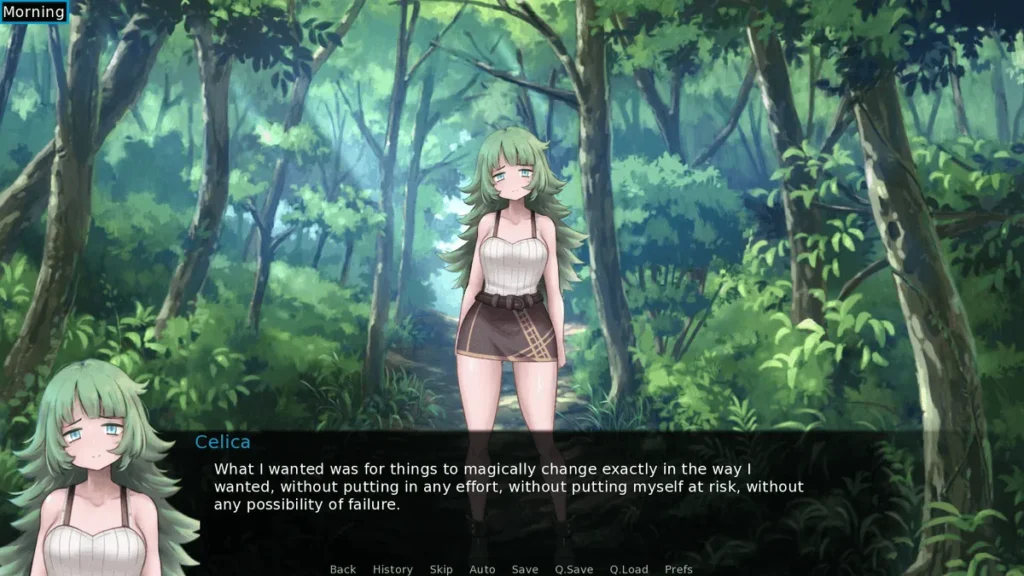
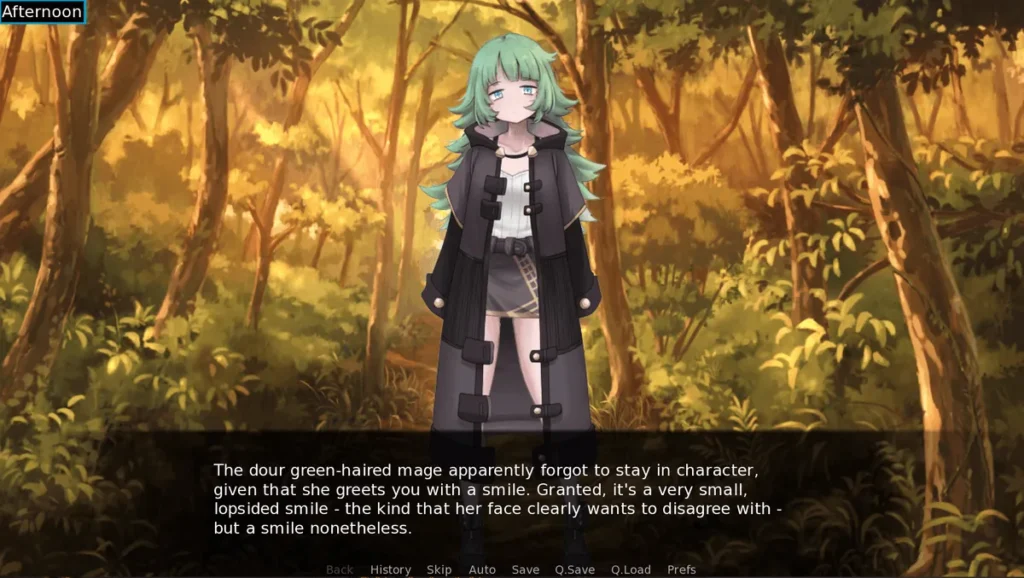

Divine Dawn review
Exploring the narrative-driven adult role-playing experience with romance, combat, and meaningful choices
Divine Dawn stands out in the indie RPG landscape as an ambitious title that prioritizes storytelling alongside its mature content. This role-playing game follows a would-be hero navigating a world filled with meaningful character interactions, strategic combat encounters, and consequential narrative choices. Unlike many titles in its genre, Divine Dawn emphasizes narrative depth and character development, offering players a rich experience that balances multiple gameplay elements. Whether you’re interested in the game’s story structure, romance mechanics, or combat systems, this guide explores what makes Divine Dawn a compelling choice for players seeking substance alongside entertainment.
Understanding Divine Dawn’s Core Gameplay Experience
Let’s be honest: you’ve probably played a hundred RPGs that promise an epic story and deep gameplay, only to find yourself mashing the same attack button while skimming through walls of generic text. 🥱 You know the feeling—the combat feels disconnected from the plot, your choices are illusions, and your custom hero ends up looking like everyone else’s. I was totally fed up with that cycle.
Then I found Divine Dawn. This isn’t just another indie RPG experience; it’s a meticulously crafted world where every mechanic, from a dialogue option to a tactical move in battle, is a thread in a larger, player-woven tapestry. It understands that true role-playing isn’t about watching a story unfold, but about being the undeniable author of it. Your Divine Dawn combat strategy matters just as much as who you choose to romance, and the game never lets you forget it. This chapter is your guide to understanding that beautiful, intricate design. Forget what you know about standard RPGs—we’re diving into what makes this game a standout narrative-driven RPG.
What Makes Divine Dawn Different From Other RPGs
Most games treat their various elements—story, combat, romance—as separate lanes on a highway. You drive in the “combat lane” for a while, then switch over to the “dating sim lane,” with little overlap. Divine Dawn throws that map out the window. Here, everything is a single, winding, interconnected road. The core philosophy is fusion, not separation. 🧩
I learned this the hard way early on. In a typical game, I’d build my warrior for pure strength and not think twice. In Divine Dawn, I created a brash, honor-bound fighter named Kaelen. During a tense negotiation with a guild leader, I chose aggressive dialogue options that fit his personality. It worked; I intimidated my way to a better reward. Later, when combat broke out, that same guild leader remembered my “bold” attitude. Instead of joining the fray as a neutral party, he ordered his men to flank me, turning a manageable fight into a desperate two-front brawl. My player choice consequences weren’t locked in a cutscene; they actively reshaped the battlefield. This is the heart of the Divine Dawn gameplay mechanics: your narrative decisions have direct, often immediate, mechanical repercussions.
This seamless blend extends to its content philosophy. While many games launch with a skeleton of features, Divine Dawn arrives overflowing. We’re talking dozens of hours of core narrative, each companion with a full, evolving personal questline, and a combat system with enough depth to support multiple playstyles. It avoids the common pitfall of being “wide as an ocean, deep as a puddle.” Instead, it offers both breadth and depth, ensuring your indie RPG experience feels substantial and rewarding from the first moment to the last. It trusts you with real agency, and that’s what makes it different.
Character Customization and Progression Systems
Forget sliders that only change your cheekbones. Divine Dawn’s RPG character customization starts with psychology and builds outward. You don’t just pick a class; you define a past, a demeanor, and a worldview. During character creation, you’ll answer questions about your protagonist’s history: Were you a city watchman, a wandering scholar, or a shadowy operative? This isn’t just flavor text. Your background unlocks unique dialogue options, provides starting skills, and influences how certain factions and companions initially perceive you. It’s the first major player choice consequence, setting the tone for your entire journey.
The progression system beautifully mirrors this narrative depth. You earn Experience Points (XP) through traditional means—winning battles, completing quests—but also through meaningful dialogue choices and resolving conflicts peacefully or shrewdly. This “Holistic XP” system means you’re always progressing your character by simply role-playing. 💬
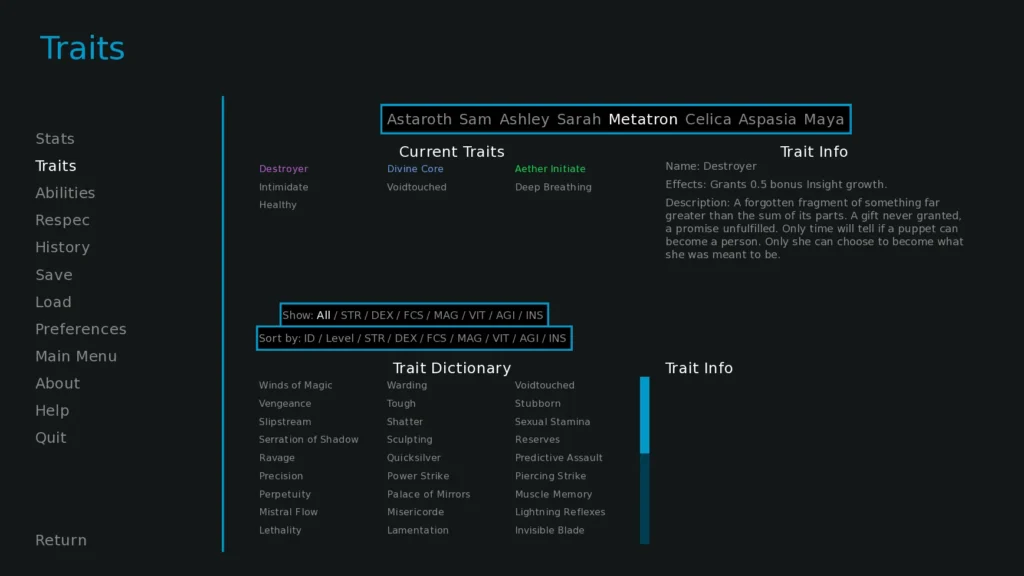
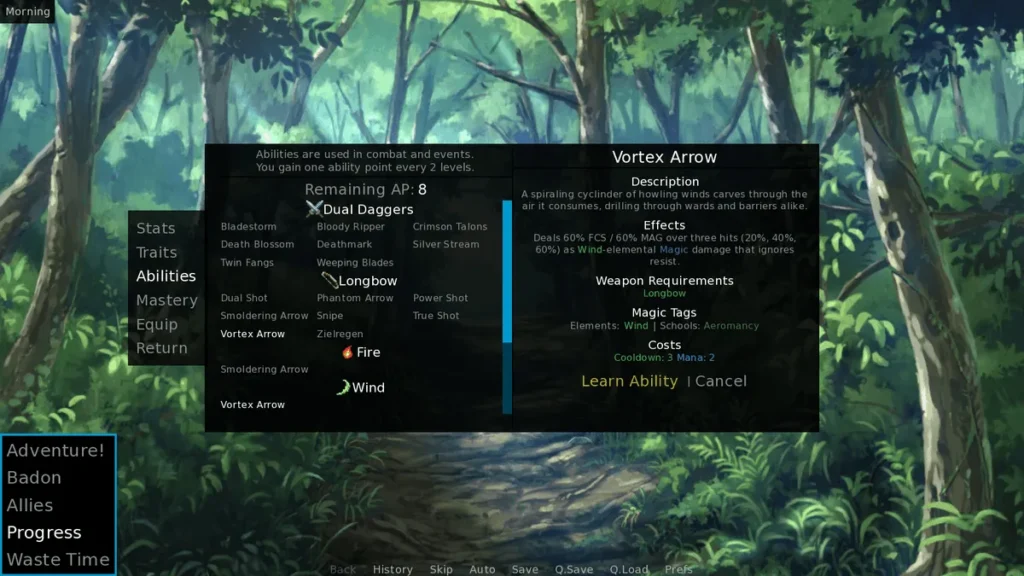
Your core abilities are governed by a triad of attributes: Might (physical power and health), Insight (perception and magical affinity), and Resolve (willpower and social influence). Every level-up grants you points to invest here, but the real magic is in the Talents. These aren’t simple “+5% damage” boosts. Talents are game-changing abilities that redefine your approach. For example, the “Silver Tongue” talent lets you spend Resolve points in dialogue to open extreme persuasion or intimidation paths. The “Battlefield Analyst” talent under Insight allows you to spend a turn studying an enemy, revealing all their weaknesses and vulnerabilities for the rest of the combat.
This creates an incredible synergy between who you are in conversations and who you are in a fight. My diplomatic mage, who invested heavily in Resolve and Insight Talents, could often talk down encounters or, if fighting was inevitable, control the battlefield by exploiting revealed weaknesses. Meanwhile, a friend playing a Might-focused berserker with the “Intimidating Presence” talent found that some enemies would literally hesitate to attack him, altering the turn order. Your build directly feeds back into the narrative-driven RPG experience.
To see how these systems intertwine, let’s look at a breakdown of the core pillars:
| System Pillar | Core Description | Impact on Gameplay |
|---|---|---|
| Character Customization | Deep biographical and psychological creation defining your past, demeanor, and starting traits. | Unlocks unique dialogue, influences faction standing, and provides foundational skills for your playstyle. |
| Combat | A tactical, turn-based combat system emphasizing positioning, status effects, and synergy. | Demands strategic thinking; victory relies on party composition and exploiting enemy weaknesses over brute force. |
| Story Choices | Dialogues and decisions with immediate and long-term repercussions on plot, alliances, and world state. | Creates a truly branching narrative where no two playthroughs are identical, rewarding careful role-playing. |
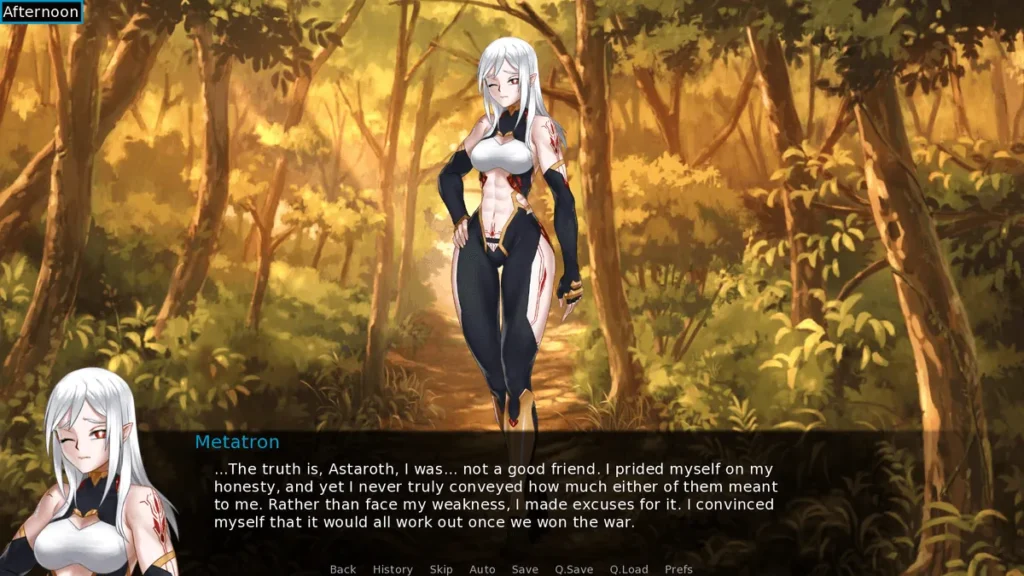
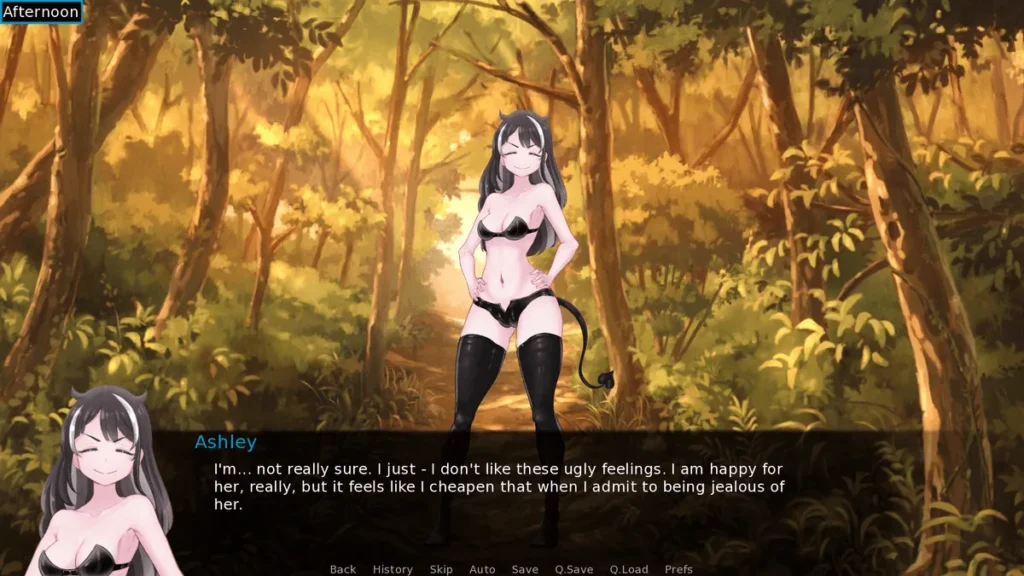
| Romance & Relationships | Multi-stage relationship building with companions through choices, quests, and gifts, affecting their loyalty and abilities. | Deeply integrated into both narrative and mechanics; a loyal companion may intervene to save you in battle or offer critical story advice. |
Combat Mechanics and Strategic Gameplay
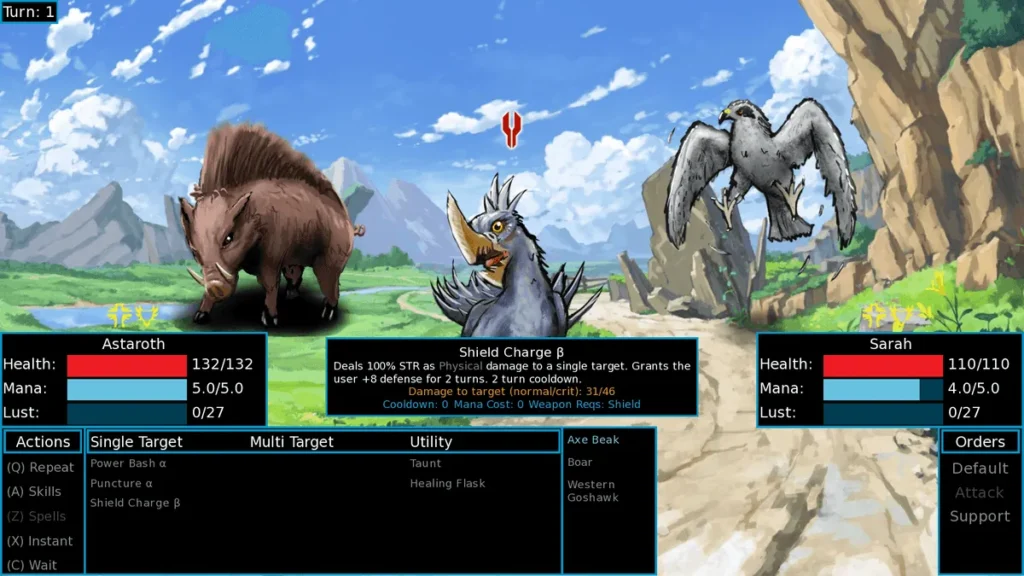
If you think a turn-based combat system means taking turns slapping each other until a health bar hits zero, Divine Dawn is here to revolutionize your thinking. 🎯 Combat here is a lethal chess match where positioning, action economy, and status effects are everything. Each battle is a puzzle, and your Divine Dawn combat strategy is the key.
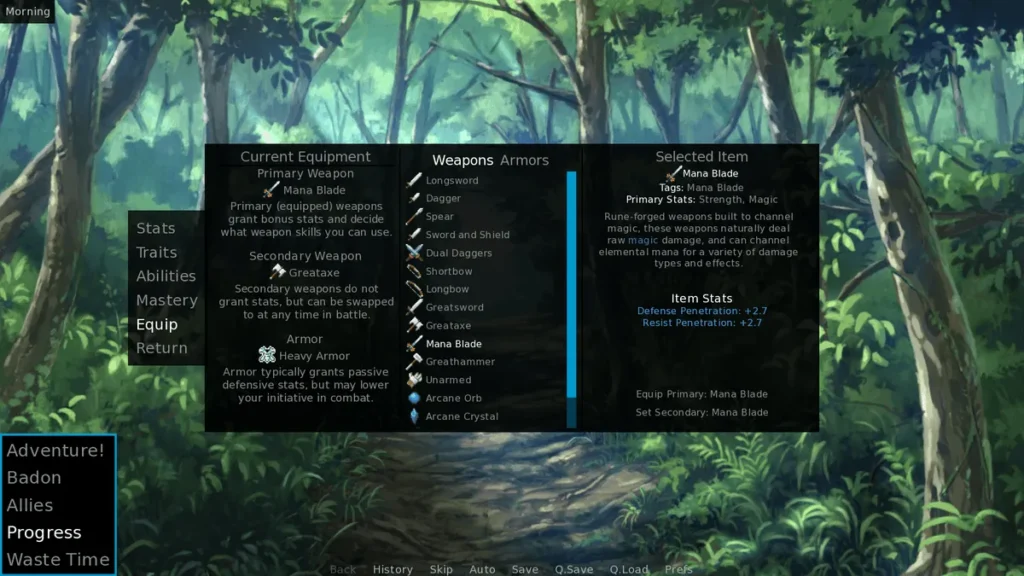
The foundation is the Action Point (AP) system. Each character has a pool of AP per turn. Moving, attacking, using skills, and even switching equipment all cost AP. This creates deliciously tense decisions. Do you spend all your AP to unleash a powerful, high-cost ability? Or do you make a strategic move, take a defensive stance (which costs AP but reduces damage), and set up a companion for a combo? There is no “spam attack to win.” I once lost a tough boss fight three times before I realized the solution wasn’t to deal more damage, but to use my tank’s AP to constantly “Taunt” and my healer’s AP to maintain a damage-over-time ward on my team, outlasting the boss’s enraged phase.
This is where party synergy becomes an art form. The Divine Dawn gameplay mechanics encourage you to think of your party as a single unit. Combos are explicit and devastating. For instance, if your mage uses a “Drench” spell on a group of enemies, your electric-based archer can follow up with “Shock Arrow” for area-of-effect paralysis. If your warrior uses a “Cleave” on a bleeding enemy, the damage is massively increased. Setting up these combos requires communication (with your AI companions, you direct their general tactics) and careful AP management.
The single best piece of advice I can give is this: Scan every enemy, every single fight. The “Analyze” skill is cheap AP-wise and often reveals a critical vulnerability, like a beast being terrified of fire or a spectral enemy taking extra damage from holy magic. Exploiting these is often the difference between a brutal struggle and a tactical triumph.
Enemy design supports this strategic depth. You won’t find generic “Goblin A” and “Goblin B.” Each enemy type has a defined role—skirmishers that flank your backline, brutes that break guard, supports that heal their allies—and you must prioritize targets tactically. Ignoring a backline caster buffing all the enemies is a surefire way to lose. This demanding, thoughtful approach makes every victory feel earned and integrates combat seamlessly into the narrative-driven RPG fabric. A fight against desperate rebels feels different from a fight against fanatical cultists, not just in visuals, but in their tactics and your moral approach to defeating them.
Ultimately, understanding Divine Dawn means letting go of compartmentalized gameplay. Your custom-built hero, your hard-fought battles, and your delicate web of relationships and choices are not separate save files. They are one continuous, interactive story. The game’s genius is in how its turn-based combat system demands the same level of thoughtful engagement as a crucial dialogue with a love interest, and how your RPG character customization echoes in every whispered rumor about your past in the city streets. It’s a complete, confident package that proves an indie RPG experience can deliver depth, heart, and challenge in equal, magnificent measure. Your dawn awaits—how will you shape it? 🌄
Divine Dawn represents a significant achievement in indie RPG development, demonstrating that mature-themed games can deliver genuine narrative substance and engaging gameplay mechanics. The title’s strength lies in its commitment to character-driven storytelling, meaningful player choices, and substantial content that respects player investment. From its well-crafted dialogue and distinctive character roster to its balanced combat systems and thoughtful world-building, Divine Dawn offers an experience that transcends genre expectations. For players seeking an RPG that prioritizes story quality, character development, and player agency alongside its mature content, Divine Dawn delivers on multiple fronts. The game’s success as a debut project showcases the potential of independent developers to create compelling gaming experiences that rival established titles in narrative depth and production quality.