
Four Elements Trainer
Four Elements Trainer Screenshots



Four Elements Trainer review
Explore gameplay mechanics, character routes, and strategies in this Avatar-inspired adult simulation
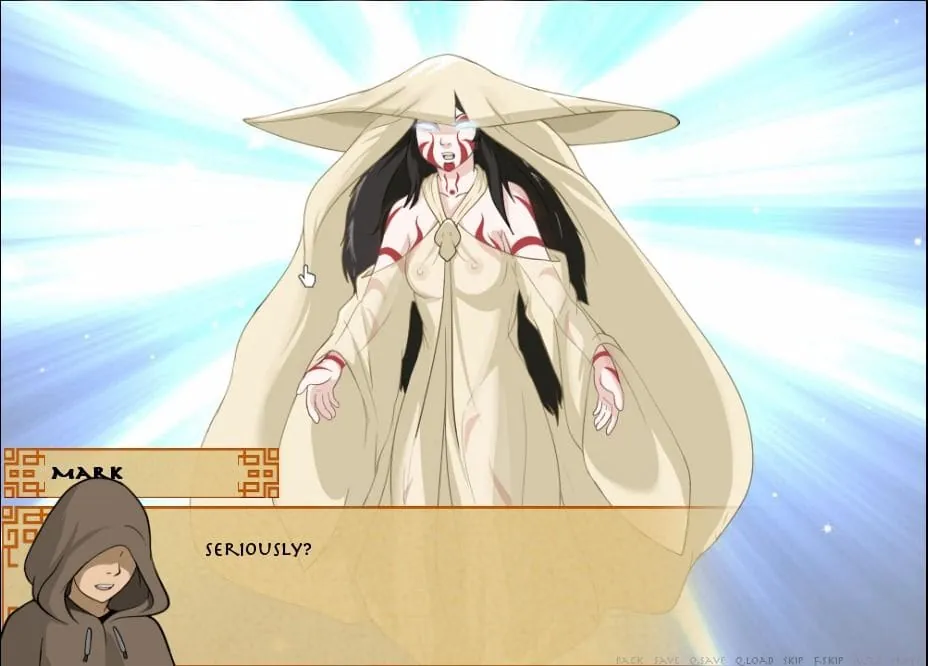
Four Elements Trainer stands as a massive dating simulation and visual novel experience set within the universes of Avatar: The Last Airbender and The Legend of Korra. This expansive game combines four complete gaming experiences into one epic adventure, allowing players to journey through elemental nations, interact with familiar characters, and uncover thrilling storylines. Whether you’re interested in understanding core gameplay mechanics, exploring different character routes, or mastering progression systems, this guide covers everything you need to know about this intricate simulation experience.
Understanding Four Elements Trainer: Core Gameplay Mechanics
Ever felt like you were just clicking through a visual novel, waiting for the next scene to unlock? 🎮 I know I have. That’s why the moment I booted up Four Elements Trainer, I was hooked. It doesn’t just tell you a story—it throws you into the Avatar universe as an active participant, where every choice, from a kind word to a harsh command, ripples through the entire narrative. This isn’t a passive experience; it’s a world to shape. At its core, the Four Elements Trainer gameplay mechanics masterfully blend classic point-and-click adventure, resource management, and deep role-playing elements into one unforgettable dating simulation game.
So, what’s the big deal? 🤔 You step into the shoes of a fledgling firebender tasked with “training” the world’s most powerful benders. But the real training is in social dynamics. The game brilliantly uses its established setting to explore character-driven stories, making your journey feel personal and consequential. Your mission is to build relationships, manage your time and resources, and guide the story across four distinct arcs. The genius lies in how these systems interconnect—your game progression strategy is directly tied to how well you understand and manipulate the relationship progression mechanics and the intricate character affection system.
What Makes Four Elements Trainer Unique as a Dating Simulation
Let’s cut to the chase: the dating sim market is flooded. What sets this one apart? It’s the audacious, seamless fusion of a beloved cartoon world with mature, player-driven storytelling. Most dating sims give you a few dialogue choices that lead to a static ending. Four Elements Trainer gives you a living, breathing world that reacts to your moral compass.
The first thing you’ll notice is the weight of your decisions. Early on, you’re presented with seemingly innocuous choices. For instance, when interacting with Katara in Book 1: Water, you can choose to be a compassionate teacher or a demanding drill sergeant. I remember on my first playthrough, I went for the “nice guy” approach, thinking it was the obvious path to success. 🥲 Boy, was I wrong for certain goals! That single approach locked me out of entire interaction trees and story beats I didn’t even know existed. This level of consequence is a hallmark of its dating simulation game features. The game respects your intelligence and doesn’t shy away from letting you fail or explore darker narrative branches.
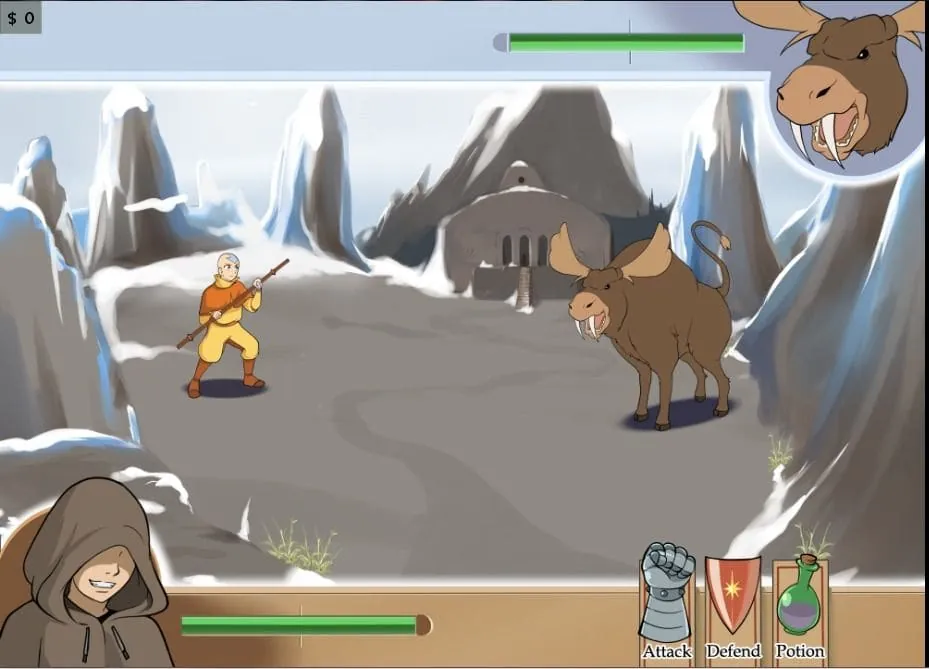
Furthermore, it brilliantly incorporates light RPG elements. You’re not just chatting; you’re managing a daily schedule. Will you spend the day hunting for food to keep your camp running, meditating to unlock new dialogue options, or training with a specific character to boost their skills and affinity? This resource layer adds a fantastic strategic depth. You’re constantly balancing immediate needs with long-term Four Elements Trainer character development. It creates a satisfying loop where every in-game day feels productive, pushing both the story and your capabilities forward.
Game Structure: Four Books and Multiple Routes
The architecture of Four Elements Trainer is one of its most celebrated aspects. The story is divided into four distinct “Books,” mirroring the Avatar journey, each representing a different elemental nation and a core set of characters. This isn’t just a cosmetic change—each book functions as a massive new chapter with its own settings, primary cast, mechanics, and tonal shifts.
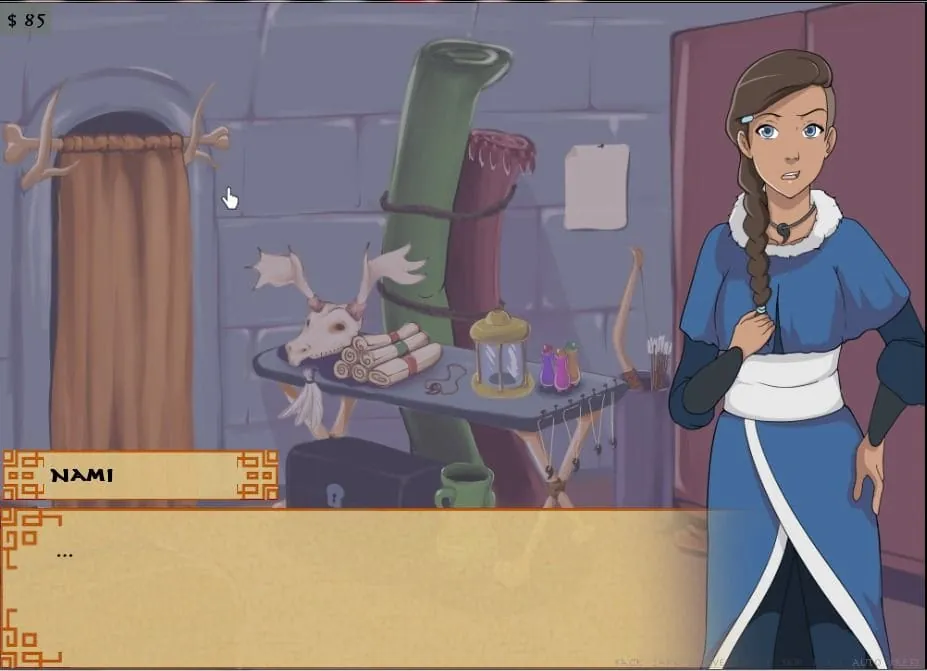
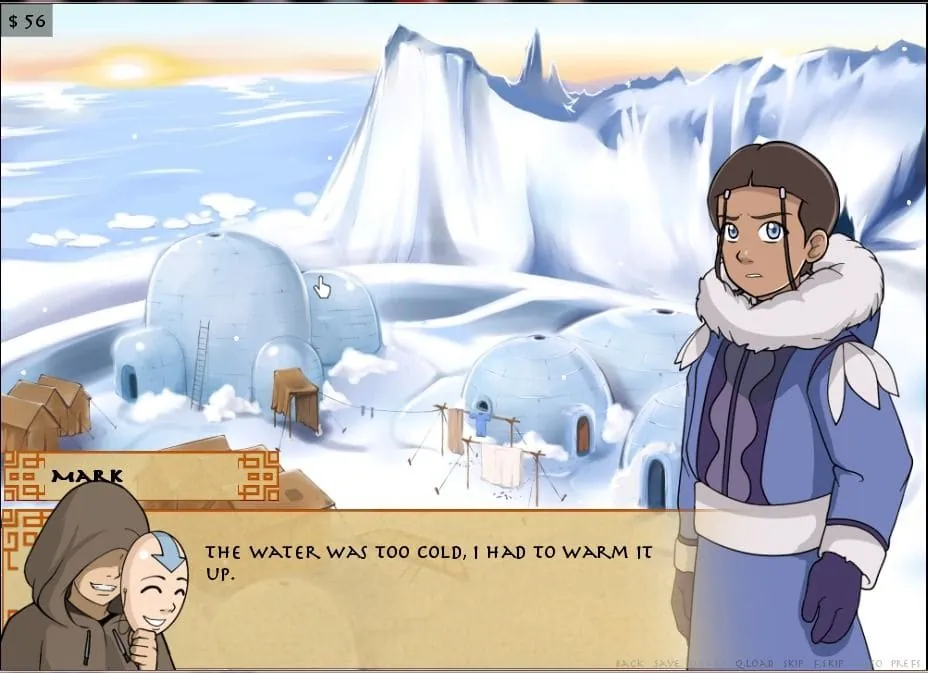
- Book 1: Water focuses on Katara and the Southern Water Tribe. It’s your introduction to the core Four Elements Trainer gameplay mechanics. Here, you learn the basics of resource gathering, daily activities, and the affection system.
- Book 2: Earth shifts to Toph and the Earth Kingdom, introducing more complex minigames and a sprawling city to explore. The relationship progression mechanics here involve navigating Toph’s unique personality and her family dynamics.
- Book 3: Fire brings you to Azula, Ty Lee, and Mai in the Fire Nation. This book often involves more political intrigue and manipulation, testing the character affection system in high-stakes environments.
- Book 4: Air concludes the journey, though as of this writing, it’s still in development, promising to tie the narratives together.
Now, here’s where the real magic of the Four Elements Trainer routes comes in. Within each book, especially with major characters, you aren’t on a single track. You are actively choosing a path that defines your relationship. The two most prominent are the Love Route and the Slave Route. These aren’t simple “good vs. evil” choices. They are fundamentally different philosophies of interaction that rewrite scenes, change outcomes, and unlock unique content. Choosing a route is the most significant game progression strategy decision you will make.
To visualize how these paths diverge, let’s look at a comparison:
| Route Type | Core Philosophy | Primary Focus | Progression Pace & Key Challenges |
|---|---|---|---|
| Love Route | Building mutual respect, trust, and genuine emotional connection through support and kindness. | Deepening emotional bonds, completing romantic story arcs, and achieving “happy” endings through patience and empathy. | Often slower, requiring consistent positive choices. Challenges include navigating character’s personal traumas and making sacrifices for their well-being. |
| Slave Route | Establishing dominance, control, and authority through strict discipline and breaking of wills. | Unlocking scenes focused on power dynamics, obedience training, and alternative story outcomes that emphasize your character’s influence. | Can be quicker in some aspects but risks character rebellion. Challenges involve maintaining control and managing fear/resentment levels. |
| Mixed/Neutral Path | A pragmatic, often inconsistent approach that switches tactics based on immediate goals. | Experimenting with different interactions, but often missing the deepest content from either dedicated route. | Unpredictable. May lead to dead ends or locked content, as the game’s **relationship progression mechanics** reward commitment to a path. |
This structure means the replay value is enormous. Completing the Water Book on the Love Route gives you a completely different understanding of Katara than the Slave Route does. They feel like separate games within the same framework. Planning your desired Four Elements Trainer routes from the outset is crucial for a satisfying experience.
Character Progression and Relationship Development Systems
This is the beating heart of the game. Every action you take feeds into a web of interconnected stats and relationships. Let’s break down the two key systems: how you develop the characters, and how you develop your relationships with them.
Character Progression: Stats and Daily Grind
Your “students” have stats you can influence, like Bending Skill or Obedience. You improve these by engaging in specific daily activities with them. This is where time management becomes your key game progression strategy. Each day offers a limited number of action points, forcing you to prioritize.
Here’s a list of common daily activities and their typical effects:
* Focused Training: 🧘 Increases a character’s primary skill (e.g., Waterbending). Essential for unlocking story blocks and certain scenes.
* Private “Lessons”: 💞 The most direct way to influence the character affection system. This is where key dialogue choices happen that can raise or lower affection and push you toward a specific route.
* Resource Activities (Hunting, Fishing, Foraging): ⛺ Provides food and items needed to maintain the camp. Neglecting this can lead to penalties, halting story progress.
* Meditation/Exploring: 🔍 Often unlocks new locations, provides lore, or reveals hidden opportunities. Critical for expanding the game world.
* Socializing (Non-Training): ☕️ Can provide small, steady affection boosts and unlock background character moments that enrich the story.
You can’t do everything, so you must plan. Want to unlock Azula’s advanced firebending scene? You might need to spend three days in a row on Focused Training, which means less time to gather food, potentially lowering overall morale. This constant trade-off makes the world feel alive and your choices meaningful.
Relationship Development: Affection and Routes
The character affection system is a numerical representation of a character’s feelings toward you, but it’s not the whole story. It’s a gateway. High affection on the Love Route unlocks romantic and tender scenes. High “affection” (often manifesting as obedience or fear) on the Slave Route unlocks different content altogether.
The true relationship progression mechanics are defined by your cumulative choices. The game tracks your path through flags—invisible markers that record whether you’ve been consistently kind, consistently harsh, or waffling between the two. This is why a Mixed Path often fails; you never trigger enough flags for the game to commit you to a defined narrative branch.
Pro Tip from My Playthrough: Early in Book 1, I decided to pursue Katara’s Love Route. I made sure every significant choice reinforced care and respect. However, I got greedy and tried a single, dominant choice thinking it would speed things up. It didn’t break the route, but it caused a noticeable coolness in her dialogue for the next several interactions. The game has a memory, and it holds your choices against you—or rewards you for them—in beautifully subtle ways.
Your strategy for Four Elements Trainer character development must therefore be holistic. You’re not just grinding a number from 50 to 51. You are crafting a narrative persona through hundreds of micro-interactions. Are you the patient mentor who earns love through dedication, or the uncompromising master who demands submission? The game’s systems are built to reflect that journey back at you, making your version of the story uniquely yours. Your ultimate guide through the Four Elements Trainer routes is your own consistency in embodying the role you’ve chosen to play.
Four Elements Trainer offers a complex and immersive experience that blends RPG mechanics with interactive storytelling within the beloved Avatar universe. Understanding the core gameplay systems—from daily activity management to relationship development and the various character routes—enables players to craft their own unique narrative journey. The game’s depth lies in how player choices cascade through the story, creating multiple pathways and outcomes based on which characters you prioritize and which route you pursue. Whether you’re drawn to specific character storylines or interested in exploring all the game has to offer, mastering these foundational mechanics provides the framework for a rewarding gameplay experience. Take time to experiment with different approaches, track how your choices affect relationships, and enjoy the rich storytelling that unfolds across the four elemental books.