Grandma’s House
Play Grandma’s House
Grandma’s House Screenshots







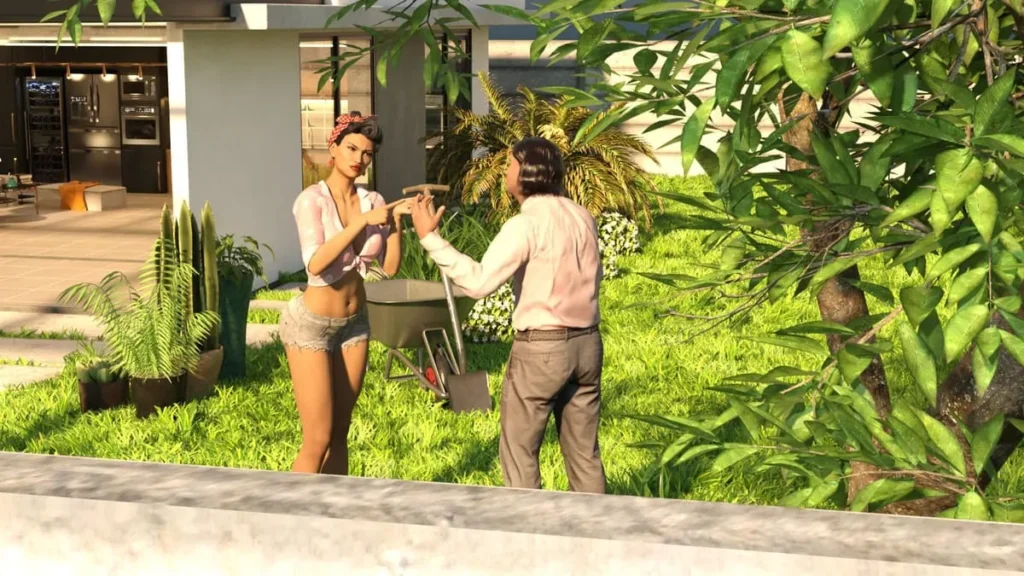




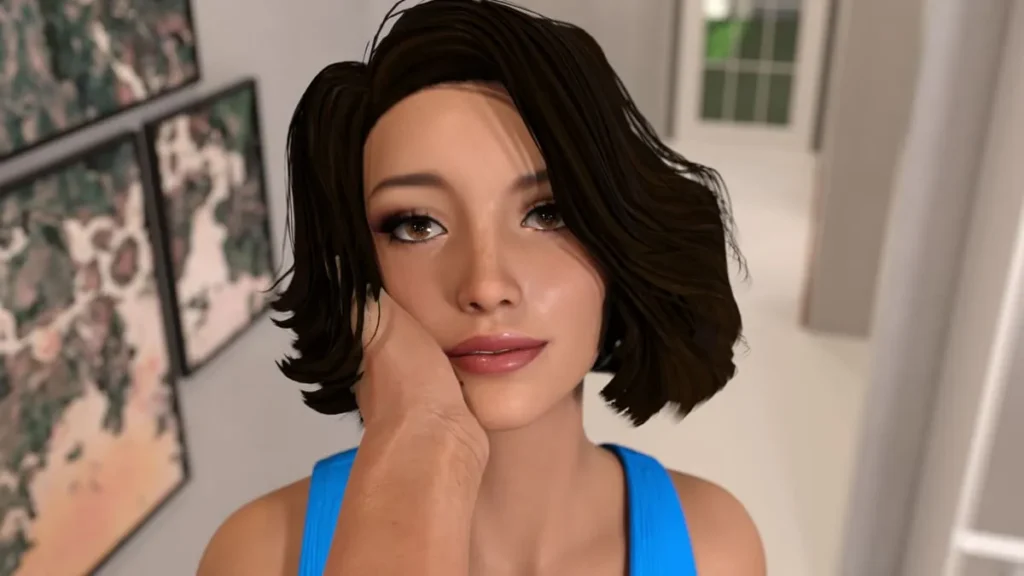



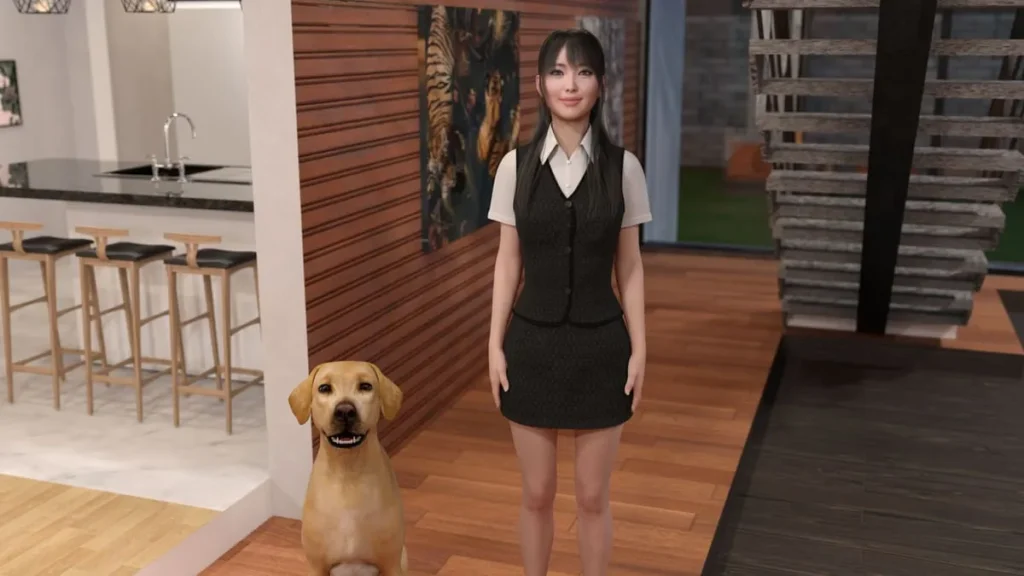



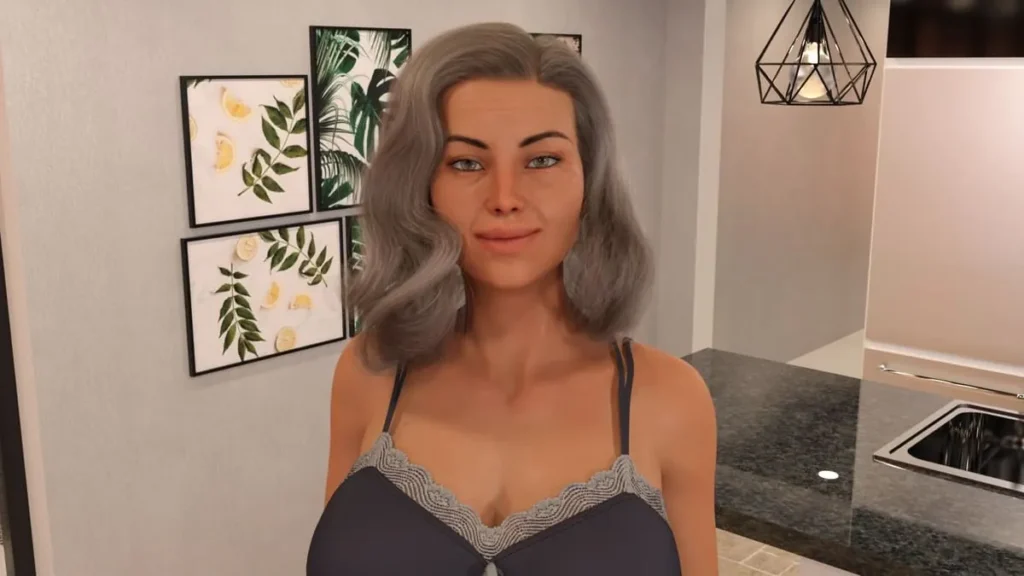



Grandma’s House review
Explore the unique gameplay, characters, and story of Grandma’s House
Grandma’s House is a distinctive adult-themed interactive game developed by Moonbox that combines narrative choices with character-driven storylines. This game stands out for its complex characters and slow-building relationships, offering players a unique experience in the genre. In this article, we’ll dive deep into the gameplay mechanics, character development, and strategies to help you enjoy Grandma’s House to its fullest.
Understanding Grandma’s House Game Mechanics
Ever find yourself in a narrative game where every choice feels like a binary fork in the road, leading to wildly different outcomes with a single click? 😅 I know I have. That’s why Grandma’s House felt like such a breath of fresh air when I first settled into its cozy, sun-drenched living room. This isn’t a game about world-altering declarations or life-or-death quick-time events. Instead, the Grandma’s House game mechanics are a masterclass in subtlety, where story and connection are woven from threads of quiet observation, thoughtful conversation, and the simple, powerful act of being present. 🛋️
The magic here isn’t in epic plots, but in the delicate, often fragile process of getting to know someone. If you’re coming from fast-paced games, adjusting to the rhythm of Grandma’s House is the first beautiful challenge. Let’s pull up a chair and explore exactly how this unique experience works.
How the Story Progresses Through Player Choices
In Grandma’s House, your agency isn’t about steering a plot train down different tracks. It’s about gently influencing the atmosphere in the room. The Grandma’s House story choices you make are rarely labeled “Good” or “Bad.” Instead, they are nuanced, emotional responses that shape how characters perceive you and, ultimately, how much of themselves they are willing to share.
Think of it this way: you’re not choosing dialogue options to “win” a relationship or unlock a plot flag. You’re participating in a conversation. A choice to ask about a photo on the mantle might open a heartfelt story about the past, while a choice to comment on the weather might keep things politely surface-level. The narrative doesn’t branch in obvious ways; it evolves. Your decisions accumulate, creating a unique emotional fingerprint for your playthrough. One of my favorite narrative paths in Grandma’s House emerged not from a big dramatic moment, but from consistently choosing to help Polly with the dishes after dinner—a small act that built a silent understanding between us.
The timing of your interactions is also a crucial, often overlooked, mechanic. Approaching Allie (Nana) with a personal question first thing in the morning might be met with a distracted, “Not now, dear.” But that same question, asked over a quiet cup of tea in the afternoon, could lead to a deep, revealing conversation. The game world has a natural flow, and respecting that flow is key to genuine progress.
To give you a clearer picture, here’s a table outlining how some of these subtle choices can steer your experience:
| Decision Point | Possible Choices | Impact on Story & Relationships |
|---|---|---|
| Polly mentions a book she loves. | 1. “I’ve never heard of it.” 2. “Oh, what’s it about?” 3. “I think I saw that on the shelf upstairs.” |
Choice 1 ends the thread. Choice 2 shows interest and extends the conversation. Choice 3 demonstrates attentiveness and can lead to fetching the book together, a significant shared moment. |
| Allie is gardening and seems frustrated. | 1. Ignore and go inside. 2. Watch from the window. 3. Go outside and offer to help. |
Choice 1 misses an opportunity. Choice 2 shows passive care. Choice 3 is an active investment that can build trust and unlock a personal story about the garden’s history. |
| You find an old letter in a drawer. | 1. Read it immediately. 2. Ask Allie if she minds you looking at it. 3. Put it back without mention. |
Choice 1 can feel like a violation, potentially damaging trust. Choice 2 respects boundaries and may lead to her voluntarily sharing the story. Choice 3 is safe but may leave a story thread undiscovered. |
Character Interaction and Relationship Building
This is where the heart of the game truly beats. The character interaction in Grandma’s House rejects transactional systems. There are no friendship meters filling with +5 or +10 points. Progress is measured in shifts in body language, the tone of voice, the unlocking of new, more personal topics, and the granting of access to private spaces, like Allie’s study or Polly’s art corner. 🎨
Building a connection with Allie, for instance, is a classic example of a slow relationship progression game. She is guarded, set in her ways, and your presence is initially an intrusion. Trust is earned in millimeters, not miles. It’s earned by remembering her preferences (she takes her tea with two sugars), by not prying too aggressively, and by demonstrating consistent, quiet kindness. One playthrough, I spent three in-game days just existing harmoniously in her space before she offered me a family recipe—a moment that felt more rewarding than any loot drop.
Polly, while more openly friendly, has her own layers. Your relationship building in Grandma’s House with her might involve shared activities, like working on a puzzle or listening to music. The key is authenticity. Agreeing with everything she says feels hollow. Sometimes, a gentle disagreement or a curious question about her slightly cynical outlook leads to a more meaningful, textured friendship.
Pro Tip: Don’t rush! The game’s greatest moments happen in the quiet spaces between conversations. Try just sitting with a character, not talking. Often, they will start speaking unprompted, sharing thoughts they never would have if you’d been directing the interaction.
Unique Features That Set Grandma’s House Apart
So, what are the unique features of Grandma’s House that cement its special place in the narrative game landscape? 🏡 Let’s break them down:
- The Power of Observation: Your primary tool isn’t an inventory item; it’s your attention. Noticing that a picture frame is crooked, that a favorite mug is chipped, or that Polly hums a specific tune can become conversation starters or ways to show you care. This turns the entire environment into an interactive dialogue.
- Non-Verbal Communication: A huge portion of the storytelling is through subtle animation and sound. A sigh, a hesitant smile, a character staring out the window for a long time—these are all narrative events you need to interpret and decide if, or how, to respond to.
- The Absence of “Failure”: There is no “game over” for saying the wrong thing. You might make a choice that causes Allie to retreat into herself for the afternoon, closing off opportunities. But the story continues. This reframes choices not as right/wrong, but as contributors to a specific, valid emotional journey. Your imperfect playthrough is your story.
- Environmental Storytelling as a Core Mechanic: Every object tells a story, but only if you discover the context. A trophy isn’t just set dressing; learning its story directly from Allie changes how you view it and her. This makes exploration a form of relationship building in Grandma’s House.
Ultimately, the Grandma’s House game mechanics create a rare and beautiful illusion: that you are not playing a character, but genuinely inhabiting a space and building connections at a human pace. It swaps the adrenaline of consequence for the deep satisfaction of understanding. It’s a game that trusts you with silence and rewards your patience with profound emotional resonance. If you’re ready to listen more than you speak, and to value a heartfelt story over a hectic plot, your grandmother is waiting. ☕
Grandma’s House offers a richly layered experience that rewards patience and thoughtful decision-making. Its focus on character development and narrative depth creates an immersive environment unlike many others in the genre. Whether you’re new to the game or looking to explore different story paths, understanding its mechanics and relationship dynamics is key. Dive in, take your time, and enjoy the unique storytelling that Grandma’s House brings to interactive gameplay.