Long Road Home
Play Long Road Home
Long Road Home Screenshots

























Long Road Home review
Honest impressions, progression tips, and player stories from Long Road Home
Long Road Home is a story-driven game that blends visual novel elements with life-simulation and character-driven drama. In this guide, I’ll walk you through what Long Road Home does well, where it struggles, and how to get the most enjoyment from its branching narrative. Whether you just discovered Long Road Home or you’re wondering if it’s worth a full playthrough, this article brings together hands-on experience, practical tips, and honest reflections so you can decide how deeply you want to invest in this journey.
What Is Long Road Home and Why Has It Gained Attention?
Have you ever downloaded a game on a whim, only to find yourself hours later, completely invested in the lives of pixelated people? 😲 That’s the unique magic of Long Road Home, a narrative experience that has quietly built a dedicated following. If you’re asking “what is Long Road Home?”, you’re in the right place. This isn’t your typical fast-paced adventure; it’s a deliberate, emotional journey that prioritizes the heart over the hand. In this chapter, we’ll peel back the layers of this compelling title, exploring why this particular Long Road Home game has captured so much attention and what it truly offers behind its serene facade.
Core concept and storytelling style of Long Road Home
At its heart, the Long Road Home game is an interactive novel built around the weight of the past and the uncertainty of the future. You step into the shoes of a protagonist returning to a place they once left behind, carrying a suitcase full of unresolved history and quiet regrets. The core premise isn’t about saving the world from a grand threat, but about navigating the intricate, often messy web of human connections. The Long Road Home story is a slow-burn narrative where the primary conflict is internal, played out through conversations, glances, and the choices you make in seemingly mundane moments.
The storytelling style is its greatest strength. Imagine a book where you get to decide the protagonist’s tone, their vulnerabilities, and ultimately, the direction of their key relationships. The game is structured around branching dialogue paths and pivotal decisions that don’t just change a single scene, but alter the trajectory of your entire playthrough. A careless comment during a coffee meet-up can strain a friendship for chapters, while a moment of earned honesty can open up an entirely new narrative thread. This isn’t a game of good or evil choices, but of nuanced, human reactions that build a story feel uniquely yours.
My first session with the game perfectly illustrated this. I started playing late on a rainy evening, and from the opening cinematic—a quiet train ride back to a familiar town—I was hooked. The writing immediately established a mood of bittersweet reflection. In the first hour, I was introduced to two key figures from the protagonist’s past: one greeted me with cautious warmth, the other with a wall of polite detachment. When prompted to choose my response, I paused, genuinely weighing how my virtual self should feel. That early investment in the emotional stakes set the tone for everything that followed.
So, why are players so drawn to this experience? Here are the core pillars that make the Long Road Home overview so appealing:
- The Compelling Narrative: The Long Road Home story is a masterclass in character-driven drama. It explores themes of reconciliation, personal growth, and the complexity of moving forward without forgetting where you’ve been.
- The Weight of Choice: Every dialogue option and key decision feels significant. You’re not just picking what to say; you’re defining who your character is becoming and shaping their world.
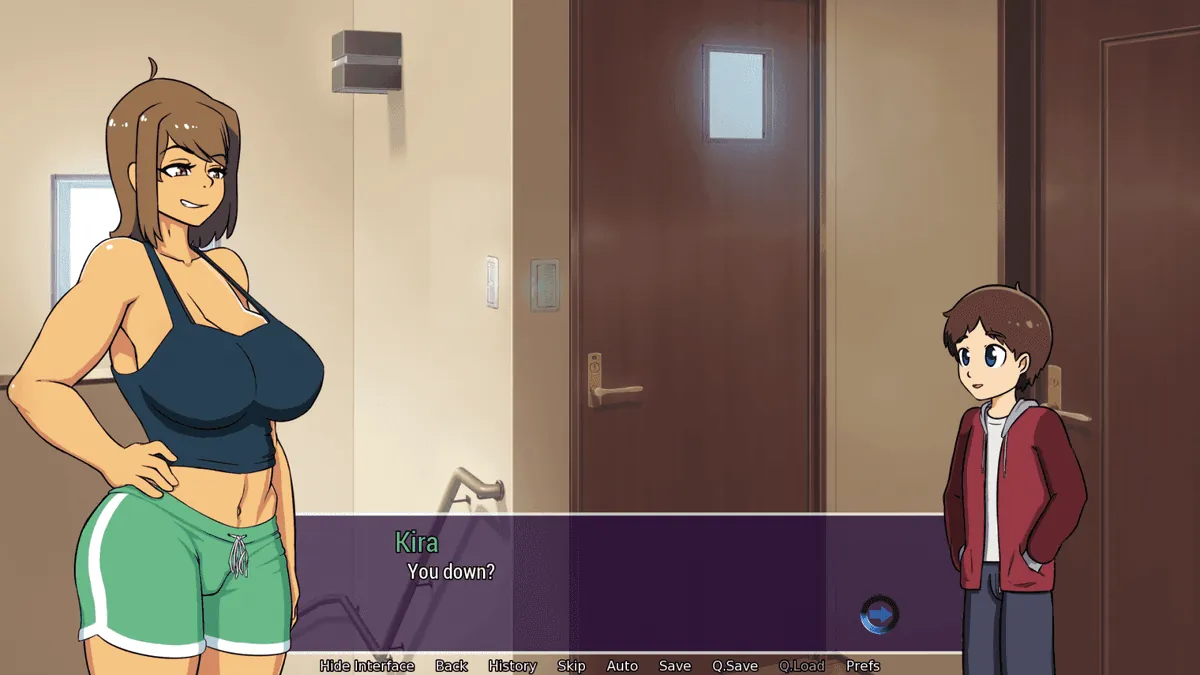
- Visual Immersion: The art style isn’t just pretty—it’s purposeful. Detailed backgrounds and expressive character renders pull you directly into the game’s intimate atmosphere.
- Relationship Dynamics: The heart of the game lies in how your bonds with the Long Road Home characters evolve. These relationships are the true reward system, offering deeper scenes and understanding based on your actions.
Art direction, characters, and atmosphere
The visual and auditory presentation of Long Road Home is a silent partner in its storytelling, doing immense work to build its unique world. 🎨 The art direction employs beautifully rendered characters against painterly, detailed backgrounds. Each location, from a cozy, sun-drenched kitchen to a dimly lit bar, feels lived-in and evocative. The user interface is clean and unobtrusive, ensuring nothing pulls you out of the moment. This careful design makes every scene a tableau that supports the narrative’s emotional tone, whether it’s a tense silence or a shared, comfortable laugh.
Now, let’s talk about the soul of the experience: the Long Road Home characters. This isn’t a sprawling cast of dozens, but a carefully curated group of individuals, each with their own histories, flaws, and endearing qualities. The protagonist is written with enough ambiguity for you to project your own interpretations, yet with a defined past that makes their interactions meaningful. The supporting cast—old friends, new acquaintances, and complicated family—are far from one-note. They feel like real people, with their own agendas and emotional wounds that may or may not align with yours. Getting to know them, peeling back their layers through your choices, is the game’s primary joy.
The atmosphere is a delicate blend. It masterfully balances melancholic reflection with moments of genuine warmth and lightheartedness. You might have a scene dealing with a heavy, past mistake, followed by a surprisingly funny and casual hangout that reminds you of the good times. This mix prevents the experience from becoming oppressive and mirrors the ups and downs of real life. The soundtrack deserves a special mention—a subtle, poignant score that underscores emotions without ever demanding attention. It’s the perfect companion for a game that asks you to sit with your feelings.
| Character Archetype | Their Role in the Story |
|---|---|
| The Old Flame | A relationship shrouded in history and unresolved feelings. Interactions are charged with subtext and the potential for rekindling or final closure. |
| The Loyal Friend | Provides a sense of stability and familiarity, but even this bond is tested by time apart and the protagonist’s changed perspective. |
| The New Connection | Represents the possibility of a fresh start and new perspectives, often challenging the protagonist’s entrenched views from the past. |
😌 This thoughtful construction of world and character is what makes the Long Road Home game so immersive. You’re not just observing a story; you’re inhabiting a specific mood, a slice of life where every detail contributes to the whole.
Who is Long Road Home really for?
This is the crucial question for any player considering their time investment: “is Long Road Home worth playing?” The honest answer is a resounding “yes,” but with the important caveat that it is a specialized experience tailored for a specific kind of player. This Long Road Home review aims to set the right expectations.
Firstly, this game is a perfect match for you if:
* You prioritize story and character development over mechanical gameplay.
* You love games where your choices have tangible, emotional consequences.
* You enjoy slower-paced, reflective media that lets narratives breathe.
* You appreciate subtlety in writing and performance, where what is unsaid is as important as the dialogue.
* You’re drawn to stories about personal journeys, second chances, and the complexity of adult relationships.
Conversely, you might want to look elsewhere if:
* You crave constant action, quick-time events, or strategic combat.
* You prefer games with clear, objective-based missions and a direct power fantasy.
* You have little patience for dialogue-heavy scenes and introspective pacing.
The pacing of the Long Road Home game is deliberate. It asks for your patience and attention, rewarding you with deep payoffs that feel earned rather than handed to you. This isn’t a binge-worthy thrill ride; it’s a novel you savor chapter by chapter. 🧠
This approach directly feeds into the title’s impressive replay value. Because the Long Road Home story branches significantly based on your relationship scores and major decisions, a second playthrough can feel strikingly different. Will you mend that broken friendship you neglected first time? Will you pursue a different romantic connection? The game encourages multiple journeys down its many roads, each offering new scenes, perspectives, and endings. In this way, the Long Road Home overview is not of a single story, but of a narrative ecosystem shaped by the player.
When placed beside other mature, narrative-focused titles in its genre, Long Road Home stands out for its unwavering commitment to emotional authenticity and interpersonal tension. It doesn’t rely on shock value or grandiose plots; its drama is woven from the threads of everyday life and the monumental personal struggles that happen behind closed doors. For the right player, it offers a profoundly satisfying and memorable experience that lingers long after the final choice is made.
“I clicked ‘New Game’ expecting just another story, but the opening hour of Long Road Home did something rare: it made me sit back in my chair, take a deep breath, and genuinely think about who I wanted to be in this world. It was less like starting a game and more like stepping into a life halfway lived.”
Long Road Home stands out as a slow-burn, emotionally driven game where your decisions shape not only how characters see you, but how you see them over time. If you appreciate narrative depth, branching dialogue, and the feeling that every choice nudges the story in a new direction, it offers a rewarding experience. Approach it with patience, pay attention to small details in conversations, and don’t be afraid to replay key parts to explore alternate paths. If the themes and style resonate with you, the next step is simple: give Long Road Home a proper play session and see which route pulls you in the most.