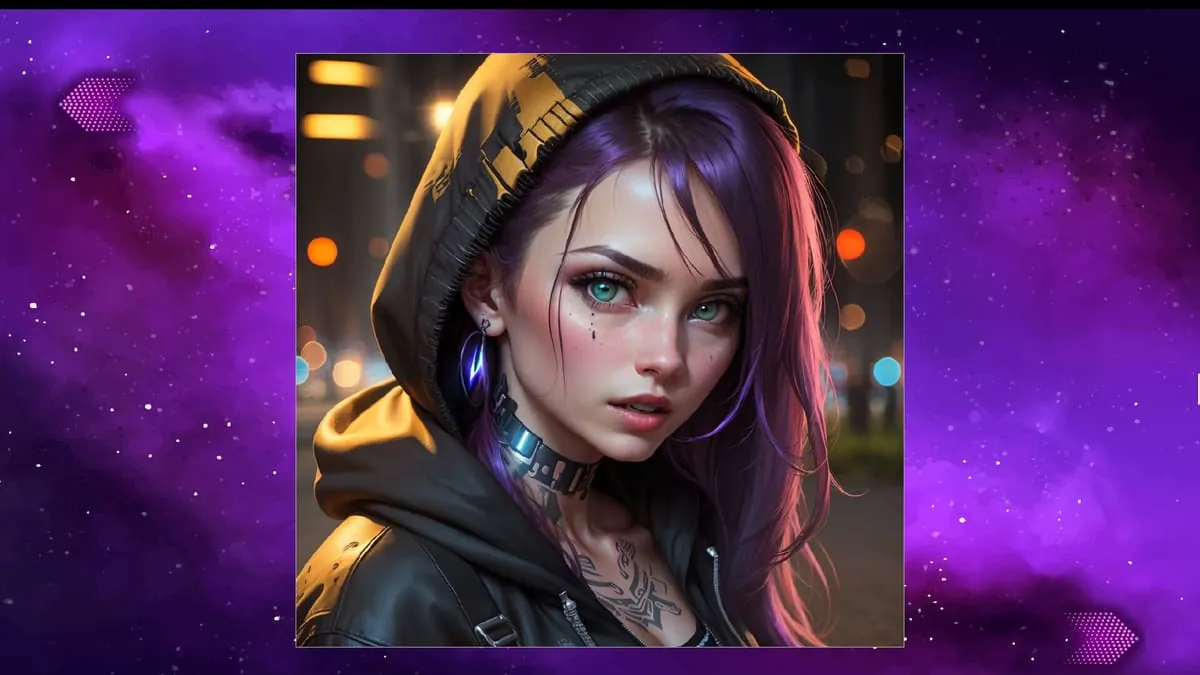
Sassy Cybergirl Screenshots
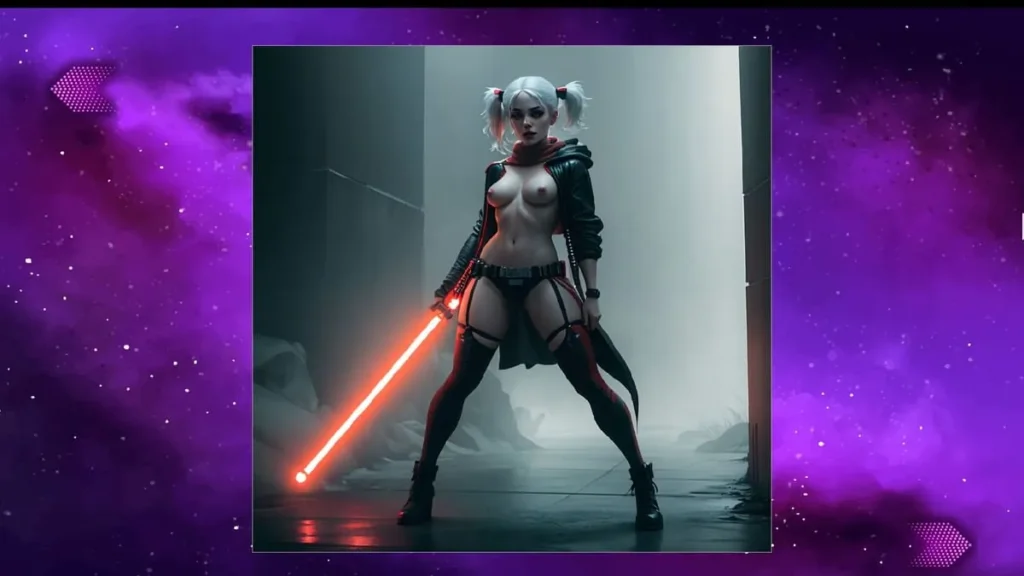



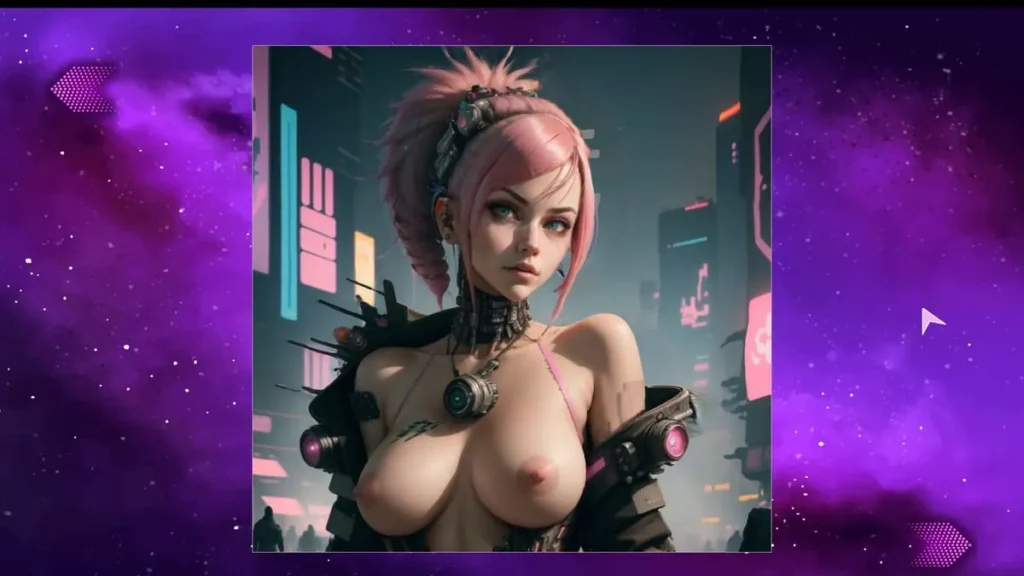
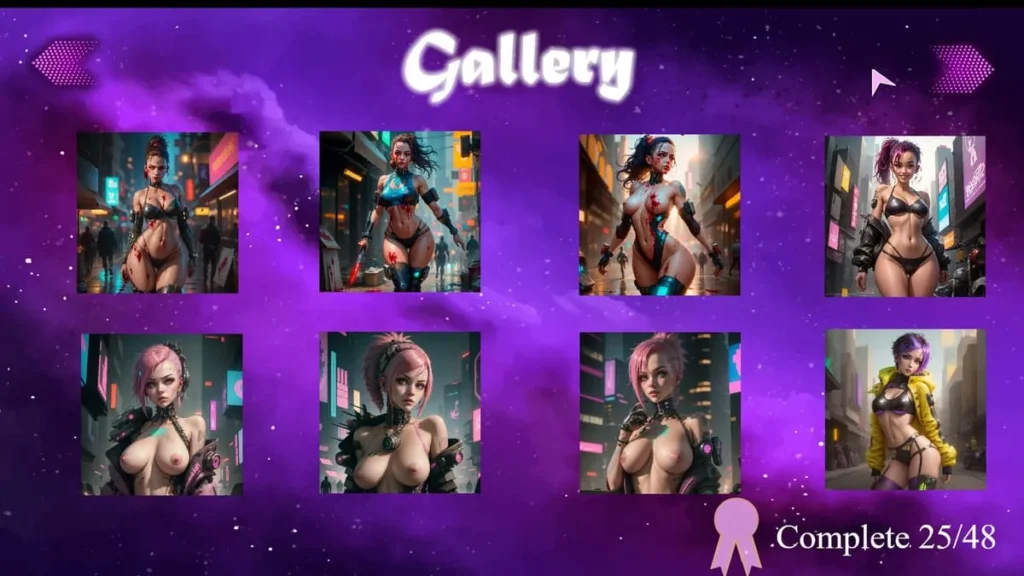
Sassy Cybergirl review
Dive into neon-lit puzzles, choices, and unlocks in this addictive adult adventure
Imagine slipping into the rain-slicked streets of Neo-Tokyo as a sharp-witted cybergirl, hacking systems and charming your way through a dystopian nightlife. That’s Sassy Cybergirl, the cyberpunk puzzle-adventure that’s hooked me for hours with its blend of brain-teasing mini-games, branching narratives, and progressive unlocks. Released in 2023 by Sassy Games, this PC title on Steam mixes strategic puzzles, character customization, and immersive storytelling in a neon-drenched world. Whether you’re a puzzle fan or drawn to its adult-oriented rewards, I’ll share my hands-on insights, tips from my playthroughs, and why it stands out in adult gaming. Let’s boot up and explore what makes Sassy Cybergirl gameplay so irresistible.
What Makes Sassy Cybergirl Gameplay So Addictive?
I remember my first night trying to get into the Glitch Priestess club in Neo-Tokyo. The bass was thrumming through the alley walls, and the bouncer—a mountain of chrome and scorn—just glared. My goal was simple: infiltrate, find a data-broker, and get out. What I didn’t get was how Sassy Cybergirl works. I thought it was just clicking through pretty scenes. Boy, was I wrong. I was stuck for an hour, my Social Cachet in the gutter and my Cyber-Flux drained, all because I hadn’t grasped the brilliant, interlocking gears of its design. 🕵️♀️
That failure taught me everything. Sassy Cybergirl gameplay isn’t a passive visual novel; it’s an active, thinking person’s playground. The addiction comes from its perfect fusion of brain-teasing challenges, meaningful resource strategy, and consequences that actually matter. Let’s dive into the neon-lit machine and see what makes it tick.
How the Core Puzzle Loop Works in Neo-Tokyo
At its heart, the Sassy Cybergirl mechanics are built on a satisfying explore-interact-puzzle-evolve loop. You navigate stunning, dense scenes of a futuristic metropolis, clicking on hotspots to interact. But exploration alone won’t cut it. Soon, you hit a barrier—a locked door with a shimmering cipher, a gang member blocking an alley, a corrupted data-stream you need to decrypt.
This is where the real cyberpunk puzzle gameplay kicks in. 🎮 The game throws a variety of mini-games at you, each feeling perfectly at home in its setting. You might be rerouting power grids to overload a security system, matching data-node patterns to slice through a firewall, or engaging in a timing-based hacking simulation. Success isn’t just about progression; it’s about reward. Each puzzle you crack pays out in one of the game’s two crucial currencies: reputation (Social Cachet) or digital currency (Cyber-Flux).
This loop is genius because it constantly engages you. You’re not waiting for the next story beat; you’re actively earning it. The Neo-Tokyo puzzles are the gatekeepers to every secret, every new area, and every character’s trust. The difficulty curve is beautifully paced: Act 1 teaches you the basics of each puzzle type, Act 2 starts combining mechanics in clever ways, and by Act 3, you’re layering solutions, managing multiple resources mid-puzzle, and feeling like a genuine netrunner maestro.
Mastering Social Cachet and Cyber-Flux Resources
This is where strategy separates the tourists from the denizens of Neo-Tokyo. You can’t just spam puzzles and hope for the best. Every decision on what to spend your hard-earned resources on creates a unique playthrough. Let’s break down the two pillars of the economy.
Think of Social Cachet as your street cred, your reputation. It’s earned by solving puzzles that involve social engineering, helping NPCs, or making choices that impress certain factions. Cyber-Flux is pure digital cash—the crypto of the future. You get it from direct hacking puzzles, data theft, or selling info.
The tension is constant. That shiny new cyberware in the black market costs a ton of Flux. But so does bribing a corrupt cop for information. Meanwhile, that faction leader you need on your side only respects Cachet. Do you spend your Flux on opening a shortcut now, or save it to decrypt a vital file later? Do you focus on puzzles that boost your Cachet with the Techies, even if it means you’re broke?
This Social Cachet Cyber-Flux dynamic is the core of the game’s strategic depth. It forces you to define your character’s approach to every problem. Are you a silver-tongued influencer who talks her way through problems, or a shadowy hacker who buys and bypasses every obstacle?
To help visualize the strategic dance between these two resources, here’s a breakdown:
| Resource Name | Function | Acquisition Methods | Strategic Tips |
|---|---|---|---|
| Social Cachet | Your reputation with factions and key NPCs. Unlocks dialogue options, alliances, special missions, and exclusive wardrobe/cyberware from allied vendors. | Completing character-focused puzzles, choosing pro-faction dialogue in narrative branching choices, succeeding in social mini-games (e.g., persuasion debates). | Prioritize early game! High Cachet opens more non-violent solutions and is harder to farm later. Specialize in one or two factions for maximum benefit instead of spreading thin. |
| Cyber-Flux | The universal digital currency. Used for bribes, buying gear/data, unlocking doors, and instant puzzle skips (for a price). | Completing direct hacking and logic puzzles, selling collected data/files, choosing mercenary-focused story outcomes. | Your “get out of jail free” card. Always keep a reserve for emergency bribes or critical door unlocks. Be wary of using it to skip puzzles, as you miss out on potential Cachet rewards. |
Why Narrative Choices Change Everything
Here’s the masterstroke of Sassy Cybergirl gameplay: those resources and puzzles are directly wired into the story. This isn’t a game where “choices matter” is a vague promise. It’s the core circuit board. Your narrative branching choices are gated by your stats and resources, and they, in turn, alter the game world permanently.
Let me give you an example from my second playthrough. I faced a gang leader, Razor-Kane, who had something I needed. In my first run, I was Flux-rich and Cachet-poor. The game presented me with options: A) Pay him a huge sum of Cyber-Flux (which I had), B) Attempt to hack his personal server to find blackmail material (a high-difficulty puzzle), or C) Try to negotiate using my pathetic Social Cachet (which was greyed out—I couldn’t even select it!).
I chose to hack. It was tough, but I succeeded, blackmailed him, and got what I wanted. The consequence? His gang later ambushed me in a later act—a direct result of making an enemy. On my second run, I focused on building Cachet with the underground “Circuit Poets” faction. When I met Razor-Kane again, option C was available: “Invoke the Circuit Poets’ truce.” I selected it, we shared a digital drink, and he gave me the item as a favor. No ambush later. A completely different path.
This extends to everything, even your style. I ran a case study where I bought a fierce, high-fashion corporate outfit early on with my Flux. Wearing it in the scrappy lower districts made NPCs distrustful and snappy (my Cachet gains were reduced!). But when I wore it in the corporate plaza, doors literally opened, and puzzle difficulty decreased because I “looked the part.” The game’s systems are always watching, always reacting. 👗✨
The replayability is off the charts. Will you play as a Cashless Celebrity, maxing Cachet to charm the city? A Flux Baron who buys every solution? Or a Purist Hacker who refuses to spend a single Flux, solving every puzzle manually? Each archetype experiences a different Neo-Tokyo.
My top insight? The game’s immersion comes from this cause-and-effect purity. You feel the weight of every decision because you literally worked for the right to make it, one puzzle at a time.
To get you started on mastering this brilliant system, here are my top five beginner tips for tackling its challenges:
- Cachet is King Early On: Focus on puzzles and choices that build Social Cachet in Act 1. It opens up far more narrative avenues than Flux does in the early game.
- Read the Scene Before Clicking: Examine the environment and NPC descriptions. They often contain subtle hints for the upcoming puzzle type or the preferred currency for an interaction.
- Never Spend Flux on Skip Unless Desperate: Using Cyber-Flux to bypass a puzzle is tempting, but you permanently lose the Cachet reward and the practice. Your future self will struggle.
- Your Wardrobe is a Tool: Don’t just dress for style. Change your outfit based on the district you’re in. It can passively lower puzzle difficulty or improve Cachet gains with certain groups.
- Save Before Major Branch Points: The game auto-saves, but create a manual save before big story puzzles or conversations. This lets you experiment with different resource expenditures to see the branch outcomes without penalty.
Understanding Sassy Cybergirl mechanics is understanding that you are not just watching a story in Neo-Tokyo—you are engineering it, one calculated risk and one solved enigma at a time. That’s the true, addictive genius of how this world works.
From my late-night sessions cracking Neo-Tokyo’s toughest puzzles to unlocking those hard-earned story branches and customizations, Sassy Cybergirl delivers a cyberpunk thrill like no other. Its smart mix of wits-testing mini-games, resource juggling, and choice-driven narratives keeps you coming back, building alliances or rivalries that feel real. If you’re ready to customize your cybergirl, dive into the neon haze, and master the unlocks, grab it on Steam today. Share your wildest playthrough stories in the comments—what’s your go-to strategy for maxing Cyber-Flux? Let’s connect and compare notes on this gem.