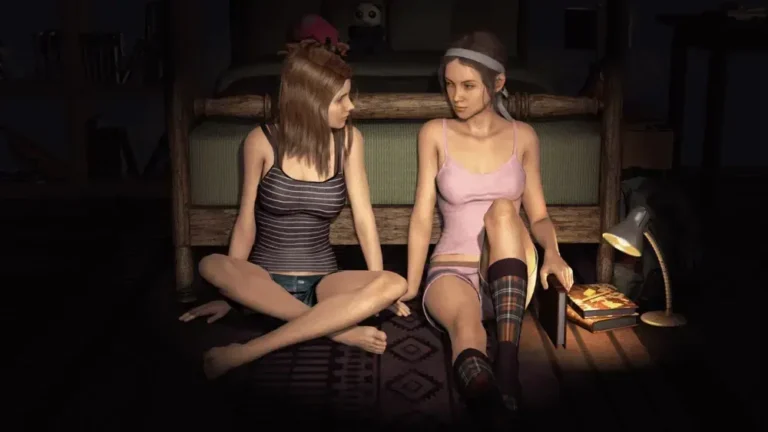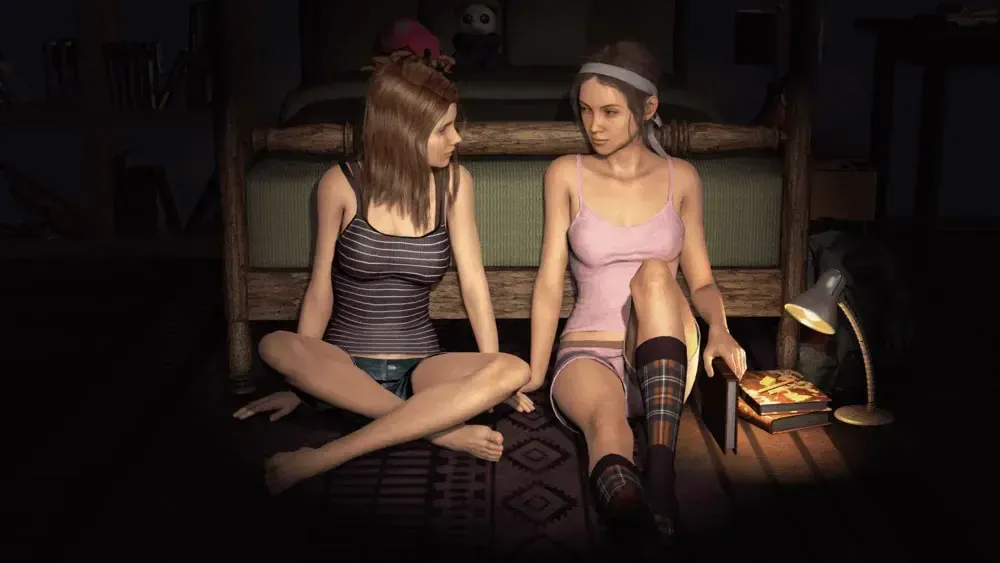
Short Sad Stories
Play Short Sad Stories
Short Sad Stories Screenshots


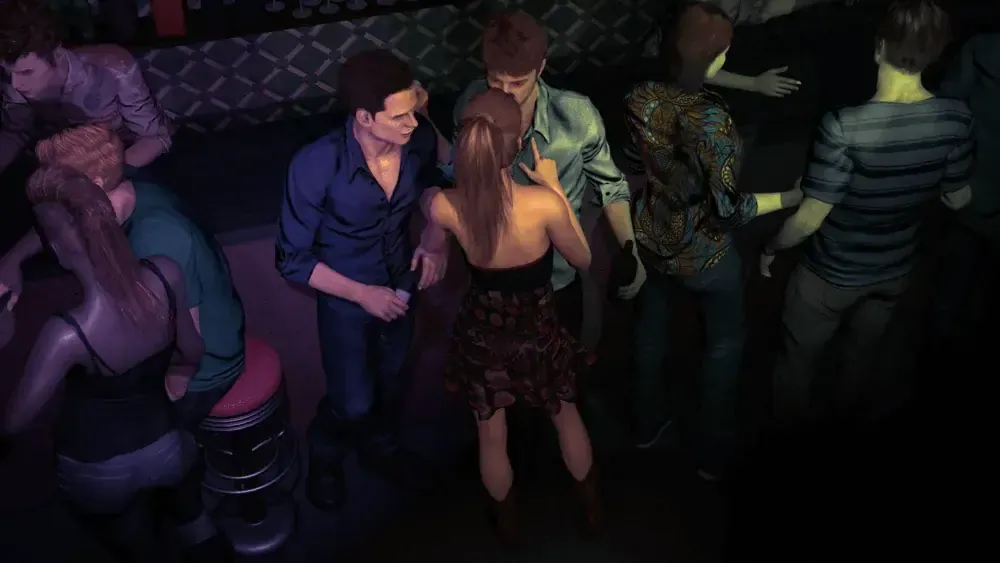
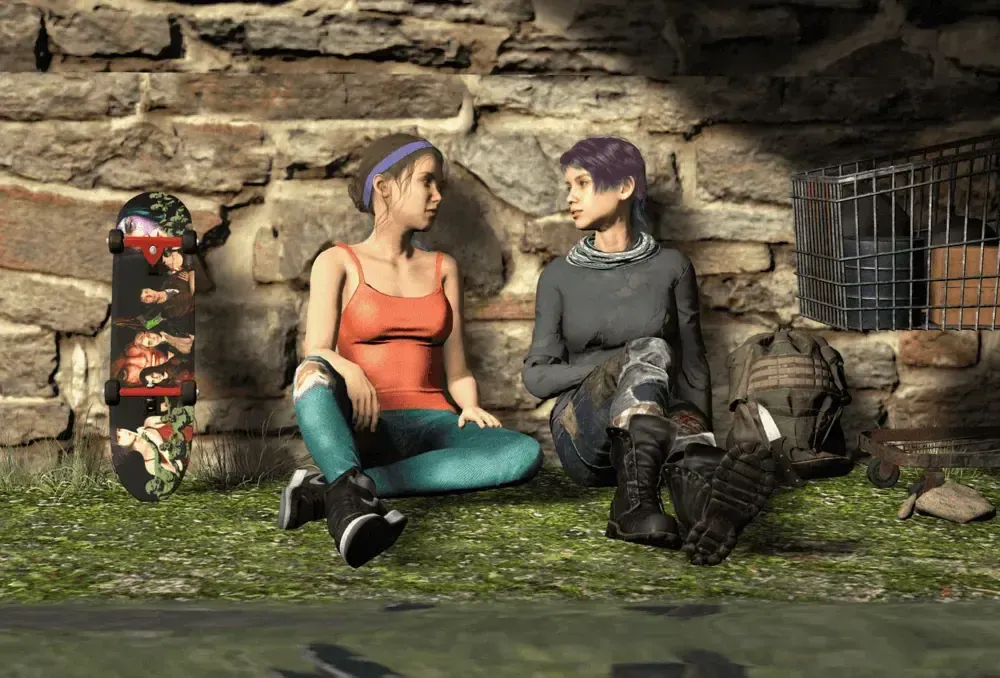
Short Sad Stories review
Dive into heartfelt choices and poignant narratives in this captivating game
Imagine stepping into a world where every choice tugs at your heartstrings, blending reality and fantasy in Short Sad Stories. This visual novel by Pent Panda pulls you into Alice’s dreamy yet melancholic journey, where decisions shape not just the path, but your emotional connection to her struggles. I’ve replayed it multiple times, each run uncovering new layers of loss, regret, and quiet hope. If you’re drawn to games that linger long after the screen fades, Short Sad Stories delivers a profound experience. Let’s explore its narrative magic, gameplay nuances, and why it stands out in interactive storytelling.
What Makes Short Sad Stories So Heart-Wrenching?
I still remember my first evening with Short Sad Stories. I settled in, expecting a bit of melancholy, but I wasn’t prepared for how deeply Alice’s world would pull me in. 🥀 It wasn’t just a game; it felt like sifting through someone’s most private diary, where every faded photo and half-remembered conversation was a piece of a fragile heart. When I first uncovered the truth behind Alice’s retreat into her fantasy world, it didn’t just feel like a plot twist—it felt like a personal revelation. That seamless blend of harsh reality and comforting fantasy hit me hard, and I knew this emotional visual novel was something truly special.
This game, Short Sad Stories, masterfully builds its poignant atmosphere not through shock, but through subtlety. It’s in the quiet sigh of a character, the lingering shot of an empty chair, or the way the music gently swells just as you make a choice you already regret. This guide is for anyone ready to dive into that beautifully crafted sorrow. Let’s explore what makes this sad visual novel game such a uniquely moving experience.
Who Is Alice and Her Dreamy World? ✨
At the center of this poignant narrative game is Alice, a character who feels startlingly real. She isn’t a hero on a grand quest; she’s someone trying to navigate the quiet aftermath of life’s personal storms. The Short Sad Stories plot revolves around her struggle to cope with loss, regret, and the distance that grows between people over time. Her “dreamy world” isn’t just an escape; it’s a vital, visual representation of her inner life—a place where memories are tangible and emotions have landscapes.
What makes Alice Short Sad Stories so compelling is how it portrays her duality. In one scene, you might be guiding her through a difficult, real-world conversation that’s full of awkward pauses and unspoken words. In the next, you’re exploring a surreal, beautiful fantasy realm that she’s constructed, where those same emotions manifest as puzzles, characters, and symbolic challenges. This constant interplay makes you understand her coping mechanism from the inside out. You don’t just watch her hide from pain; you experience the seductive beauty of the retreat she creates. Protecting her fantasy sometimes feels just as important as facing the truth, and that internal conflict is the soul of the game.
How Choices Deepen the Emotional Core? 💔
Unlike many choice-driven games, Short Sad Stories rarely presents you with clear “good” or “bad” options. There is no morality meter. Instead, you’re choosing between shades of melancholy, different forms of courage, and varieties of compromise. Do you encourage Alice to be brutally honest with a friend, potentially causing a rift? Or do you suggest a gentler, perhaps less truthful approach to preserve a fragile peace? These decisions deepen the emotional core because they mirror real-life dilemmas where the right answer is never clear.
The game’s brilliance lies in making every choice feel deeply personal and consequential. A small decision in an early chapter, like whether to keep a seemingly insignificant memento, can echo much later, changing the availability of a critical dialogue option or altering the tone of an entire relationship. This creates a powerful sense of ownership over the narrative. When a heartbreaking moment occurs, it doesn’t feel like something the game did to you; it feels like a direct, organic result of the path you helped Alice walk. This is the hallmark of a masterful Short Sad Stories visual novel.
The branching narratives are often categorized into major story arcs, each focusing on a different relationship or aspect of Alice’s healing. Here’s a look at how they compare:
| Theme | Core Mechanic | Emotional Impact |
|---|---|---|
| Loss & Letting Go | Curating Memory Items | Bittersweet catharsis; learning to cherish the past without being trapped by it. |
| Mending Friendships | Dialogue Tone & Timing | Hopeful anxiety; the fragile process of rebuilding trust. |
| Personal Regret | Internal Monologue Choices | Quiet introspection; confronting one’s own role in their unhappiness. |
| Embracing Reality | Fantasy vs. Reality Puzzles | Painful growth; the courageous, step-by-step choice to engage with the real world. |
Let me share a case study from my own playthrough. I was determined to get Alice to “face reality” at every turn, thinking I was guiding her to the strongest ending. I pushed conversations, dismantled her fantasies quickly, and prioritized blunt honesty. The result was the “Lonely Dreamer” ending. 🕯️ Alice stood in her now-barren fantasy world, having logically accepted reality, but she was utterly isolated. My choices hadn’t made her strong; they had stripped away her coping mechanisms without offering genuine connection to replace them. It was a devastating conclusion that felt far more profound than any traditional “game over.”
Why This Game Redefines Interactive Sad Tales? 🎭
Short Sad Stories redefines the genre by completely divorcing the experience from traditional concepts of “winning.” The goal isn’t to achieve a perfect, happy ending—in fact, a perfectly happy ending might feel untrue to the story’s themes. The goal is to experience an authentic emotional journey. Some of the most powerful conclusions are the sad ones, because they feel earned, real, and strangely beautiful in their completeness. This game argues that a story can be profoundly satisfying even when it leaves you in tears, which is a brave and impactful design philosophy.
It’s a poignant narrative game that trusts its audience. It doesn’t over-explain emotions or rely on melodrama. It uses the unique tools of the visual novel format—static, expressive art; a perfectly paced soundtrack; and carefully crafted text—to build mood and invite you to sit with complex feelings. The silence between lines of dialogue is just as important as the dialogue itself.
My practical advice for your playthrough? Don’t rush. 🍵 Read slowly. Pay attention to the background art in Alice’s fantasy world—it often reflects her mental state. Listen to the music cues. Most importantly, make choices that you feel drawn to in the moment, not ones you think will engineer a specific outcome. Your most authentic emotional response is the key to unlocking the game’s deepest impact.
The Short Sad Stories plot is a tapestry of intimate moments, and its power is cumulative. By the end, whether you find a ending of reconciliation, quiet acceptance, or continued solitude, you will have felt every step of that journey. That’s the magic of this emotional visual novel. It doesn’t just tell you a sad story; it lets you live inside one, and in doing so, it creates a space for reflection on your own real-world relationships and regrets.
Frequently Asked Questions
What is the main story of Short Sad Stories?
The core Short Sad Stories plot follows Alice, a young woman grappling with personal loss and regret. The narrative explores how she navigates complex relationships in reality while simultaneously retreating into a rich, self-created fantasy world. The player’s choices determine how she balances these two realms and ultimately shapes her emotional conclusion.
How many endings are there?
The Short Sad Stories visual novel features multiple branching endings, including variations on core outcomes like “Reconciliation,” “Quiet Acceptance,” and “Lonely Dreamer.” The exact number is part of the discovery, but significant choices throughout all chapters will determine your final path.
Any tips for a first-time player?
Go in blind and make choices instinctively! 🕊️ Avoid guides for your first playthrough. Embrace the subtlety—pay attention to visual details and audio shifts. Most of all, allow yourself to feel the narrative’s weight without searching for a “correct” happy ending. Your genuine, emotional engagement is the true key to the experience.
Short Sad Stories isn’t just a game—it’s an emotional journey through Alice’s world of dreams, regrets, and quiet revelations that stays with you. From molding narratives with every choice to uncovering layers of heartfelt storytelling, it masterfully blends interactivity with inevitable sadness for a truly transformative experience. Whether you’re replaying for new paths or sharing your takeaways, this visual novel reminds us of life’s fragile beauty. Grab the final version with DLC today, immerse yourself, and let its poignant tales reshape how you see interactive adventures. Your next playthrough awaits—what ending will you craft?