The Grim Reaper who reaped my Heart!
Play The Grim Reaper who reaped my Heart!
The Grim Reaper who reaped my Heart! Screenshots

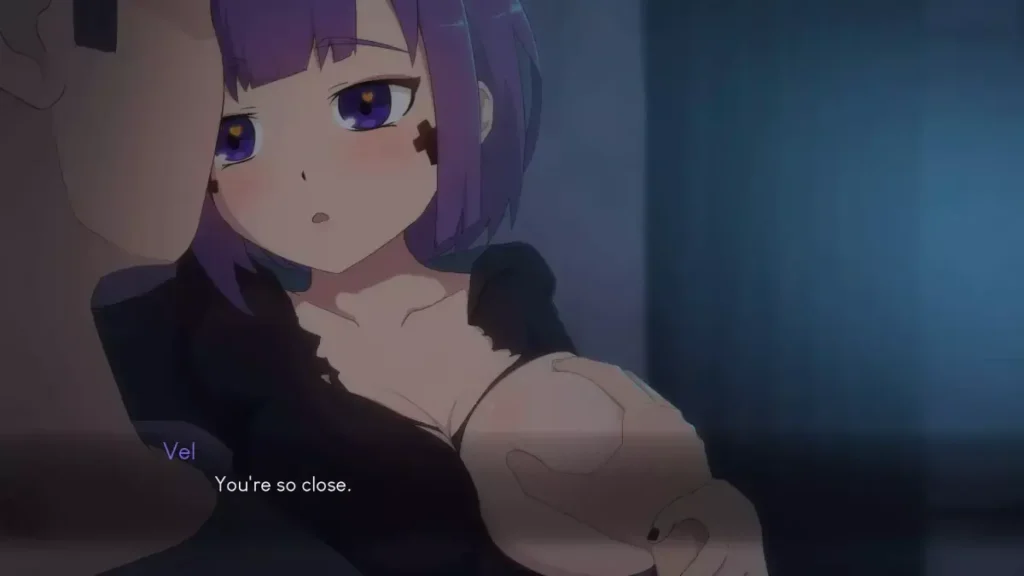

The Grim Reaper who reaped my Heart! review
A Deep Dive Into This Unique Fantasy Visual Novel Experience
The Grim Reaper Who Reaped My Heart stands out as a distinctive fantasy visual novel that blends narrative storytelling with interactive gameplay elements. This game has garnered attention for its unique premise, striking hand-drawn animations, and immersive character interactions. Whether you’re a fan of fantasy narratives, visual novels, or story-driven experiences, understanding what this game offers can help you decide if it’s the right choice for your gaming preferences. In this comprehensive guide, we’ll explore the game’s mechanics, artistic design, narrative depth, and overall player experience to give you a complete picture of what awaits you in this captivating adventure.
Gameplay Mechanics and What to Expect
So, you’ve clicked on a game called The Grim Reaper Who Reaped My Heart! 🖤 The title alone promises a darkly romantic, fantastical twist, but you might be wondering: what exactly do I do in it? If you’re picturing complex control schemes, frantic button-mashing, or sprawling open worlds, let me reset those expectations. This is a story-first experience, but calling it a passive “book with pictures” would be a massive disservice. The magic lies in how it makes you an active participant in its haunting, beautiful tale.
At its core, The Grim Reaper Who Reaped My Heart gameplay is a masterclass in modern visual novel mechanics. You will read, you will watch, you will listen—but most importantly, you will choose. Your decisions forge the narrative path, determine who lives, who loves, and ultimately, whose heart is truly reaped. It’s a deeply personal journey where your moral compass and emotional inclinations are the primary controller. To give you a quick lay of the land, here are the key features you’ll engage with:
- Meaningful Dialogue Choices: Every conversation can shift the story’s direction.
- Relationship Meters: Hidden systems track your bond with each character, influencing their behavior and available story branches.
- Pivotal Decision Points: Major choices that act as narrative crossroads, locking or unlocking entire scenes and endings.
- An Optional Combat Mini-Game: A strategic, turn-based layer you can engage with for rewards or ignore entirely for a pure story experience.
- Visual & Audio Feedback: Character portraits that change with emotion and a soundtrack that underscores every twist.
Ready to dive deeper into what makes this game tick? Let’s peel back the layers of its captivating design.
How Does The Grim Reaper Who Reaped My Heart Play? 🎮
Imagine settling in with a gripping novel, but one that pauses occasionally to ask you, “What would you do now?” That’s the essential vibe. The The Grim Reaper Who Reaped My Heart gameplay loop is elegant and immersive. You’ll progress through beautifully illustrated scenes, accompanied by a evocative soundtrack that perfectly sets the mood—from somber and eerie in the Reaper’s domain to surprisingly warm and gentle during moments of connection.
The primary interface is your mouse or controller, used to click through dialogue and advance the text. But the magic happens when the game stops and presents you with options. These aren’t just illusions of choice; they are the building blocks of your unique story. The visual novel mechanics here are polished and intentional, designed to pull you into the world without getting in the way. Character sprites are expressively animated, with subtle shifts in posture, focus, and facial expressions that tell a story all on their own. A slight frown, averted eyes, or a rare, genuine smile from the stoic Reaper himself—these details make the world feel alive and reactive.
My first hour with the game was a lesson in attention. I thought I could just skim the text, but I quickly learned that every line of dialogue holds clues about character motivations and the world’s lore. Choosing a flippant response to a serious question didn’t just yield a different next line; it subtly cooled my relationship with that character, which I only felt the consequences of much later. This is a game that rewards emotional investment and careful reading.
Pro Tip: Don’t rush. Let the atmosphere sink in. The gorgeous artwork and music aren’t just decoration; they’re vital storytelling tools that make the interactive choice system hit so much harder.
Interactive Elements and Player Choices ✨
This is where The Grim Reaper Who Reaped My Heart truly separates itself from a standard novel. The interactive choice system is the engine of the entire experience. We’re not talking about binary “Good vs. Evil” picks here. The choices are often nuanced, emotionally charged, and deliciously ambiguous.
Dialogue and Relationship Building:
Every major conversation presents you with response options. These choices drive the core character relationship building. Are you compassionate and open with the mysterious Reaper, trying to understand the person beneath the cloak and scythe? Or are you defensive, witty, or even fearful? The game remembers. I recall one early playthrough where I consistently chose sarcastic, self-preserving answers. I still reached an ending, but it was a lonely, melancholic one where the central relationship remained strictly professional and cold. On a replay, choosing vulnerability and curiosity unlocked completely new, intimate scenes that recontextualized the entire story.
The Weight of Consequences:
The player choice consequences are profound and often permanent within a single playthrough. A seemingly minor decision in Chapter 2 might determine whether a supporting character trusts you enough to offer crucial help in Chapter 5. The game excels at delivering “oh, I did that” moments, both wonderful and heartbreaking. There is no omnipotent “right” choice, only your choices, and watching them ripple through the narrative is the game’s greatest thrill.
The Optional Combat System:
Here’s a brilliant design choice: the optional combat system. During certain tense story moments, you may enter a tactical, turn-based battle sequence. But “optional” truly means optional. You can engage in these strategic encounters, which involve managing a simple resource to “fight” against metaphysical threats or despair (often represented creatively). Winning might grant you a special item, unlock an extra piece of dialogue, or make a subsequent story challenge easier.
However, you can also choose the “Flee” or “Negotiate” option every time. The story adapts seamlessly. You might miss a bonus scene or arrive at a crucial moment slightly worse for wear, but the plot continues on its altered course. This system is perfect. It adds a layer of gameplay for those who want it, but never forces it on players who are here purely for the romance and drama. It respects your preferred style of engagement.
To illustrate how these systems intertwine, here’s a breakdown of a common scenario:
| Your Action | Immediate Feedback | Long-Term Consequence | System at Play |
|---|---|---|---|
| Choose a supportive dialogue option when a character is vulnerable. | Their portrait softens, a unique smile sprite appears. | Their “Trust” meter increases. Later, they may share a key secret or come to your aid unprompted. | Character Relationship Building |
| Opt to engage in the optional combat mini-game and win. | You earn a “Soul Fragment” item. | In a future crisis, you can use this item to unlock a peaceful resolution path that was previously blocked. | Optional Combat System & Player Choice Consequences |
| Make a selfish story decision at a major branching point. | The music shifts to a darker tone. Other characters look at you differently. | An entire story branch about teamwork and sacrifice is permanently closed off for this playthrough. | Interactive Choice System |
Pacing and Time Investment ⏳
One of the most common concerns with narrative games is commitment. Fear not! The Grim Reaper Who Reaped My Heart is a master of visual novel pacing. It understands that your time is precious and that immersion is better served by a tight, impactful story than by endless filler.
The game is structured into distinct chapters, each acting as a perfect play session—typically ranging from 45 to 90 minutes. Each chapter has a clear narrative arc: introducing tension, building through character interactions and choices, and culminating in a meaningful cliffhanger or revelation that makes you crave the next. This structure makes it incredibly easy to pick up and play, feeling a sense of accomplishment with each session completed. You’re never left wandering a virtual space wondering what to do next; the path forward is always the next page of the story, guided by your choices.
The visual novel pacing is deliberate but never slow. Scenes of quiet, atmospheric world-building are balanced with moments of high drama and emotional intensity. The game isn’t afraid to sit in a quiet moment of two characters just talking, because that conversation is laden with interactive choice system potential that defines your relationship. Conversely, when the plot needs to advance, it moves with purpose. You won’t find yourself grinding or repeating tasks; every scene exists to develop character, lore, or the consequences of your actions.
In terms of total investment, a single playthrough to an ending might take you around 8-10 hours. But the real longevity comes from the player choice consequences. Knowing your decisions carve a unique path is the ultimate incentive to replay. My second playthrough, where I made diametrically opposite choices, felt like a 70% new experience, revealing hidden scenes, character depths, and tragic or joyous endings I had no idea existed. The game respects you by making every hour you invest feel meaningful and directly tied to the story you are creating.
Approaching the Game for Maximum Enjoyment:
My biggest piece of advice? Play blindly first. Don’t look up guides or “best choice” lists. Let your gut guide you. Form a genuine connection with the characters based on your instincts. The Grim Reaper Who Reaped My Heart gameplay is at its most powerful when you are living with the surprise and sometimes regret of your decisions. Then, once you’ve seen your ending, go back and explore. See what happens if you trust instead of doubt, fight instead of flee, or offer your heart instead of guarding it.
This is more than a game; it’s a personalized gothic romance where you are the co-author. The visual novel mechanics and interactive choice system are your pen, and the beautifully crafted world of love, death, and difficult choices is your page. Dive in, and see whose heart you end up reaping—including your own. 💔
The Grim Reaper Who Reaped My Heart delivers a compelling experience that combines engaging visual novel mechanics with impressive artistic presentation. The game’s strength lies in its hand-drawn animation quality, meaningful player choices, and the ability to forge meaningful character connections within a fantasy setting. While the narrative may not break new ground in storytelling, the execution through visual design and interactive elements creates an enjoyable experience that respects player time and preferences. Whether you’re drawn to the fantasy premise, the character interactions, or the visual artistry, this game offers something distinctive in the visual novel landscape. If you appreciate story-driven experiences with beautiful visuals and meaningful choices, The Grim Reaper Who Reaped My Heart is worth exploring.