The Sin Within
Play The Sin Within
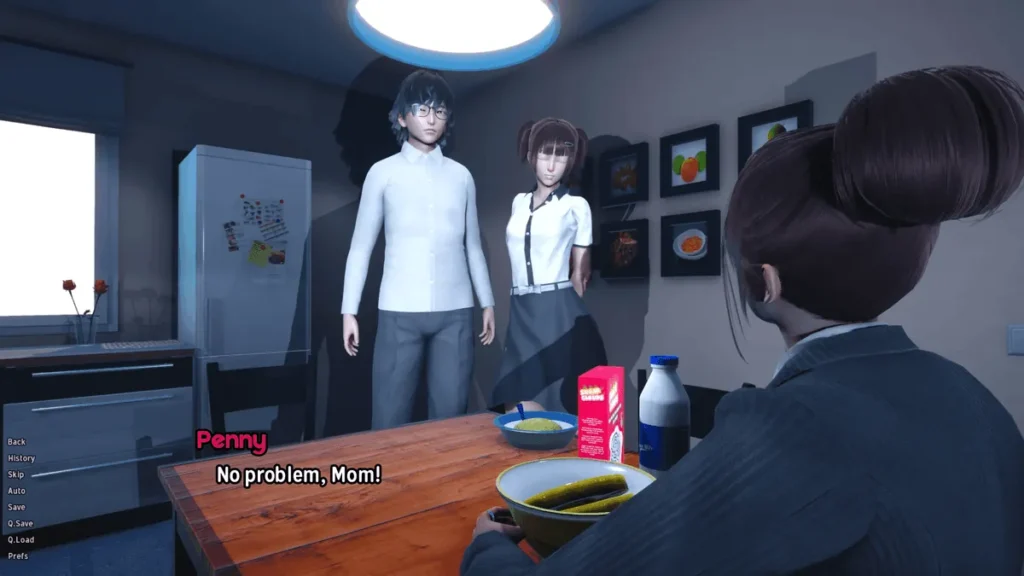
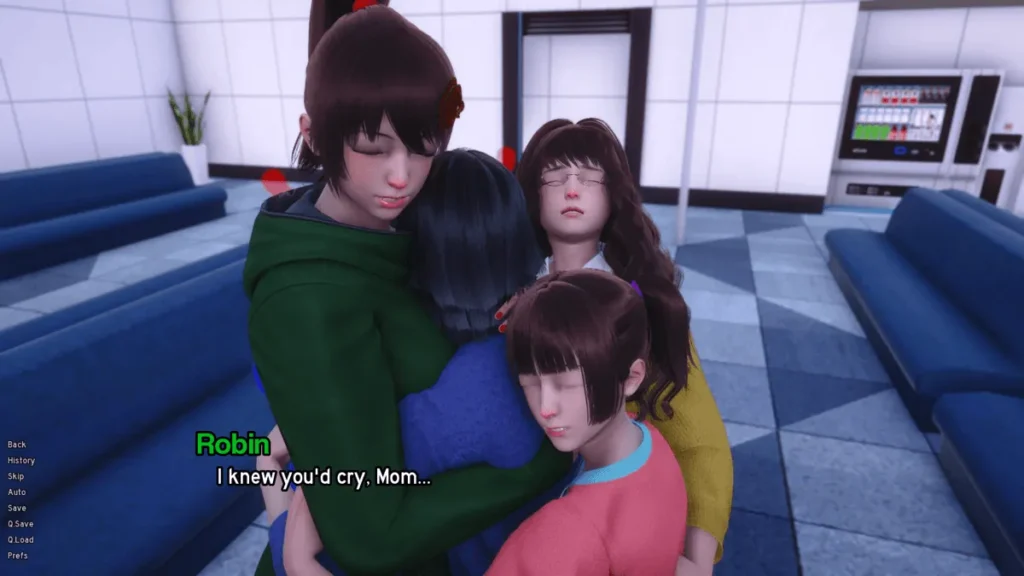
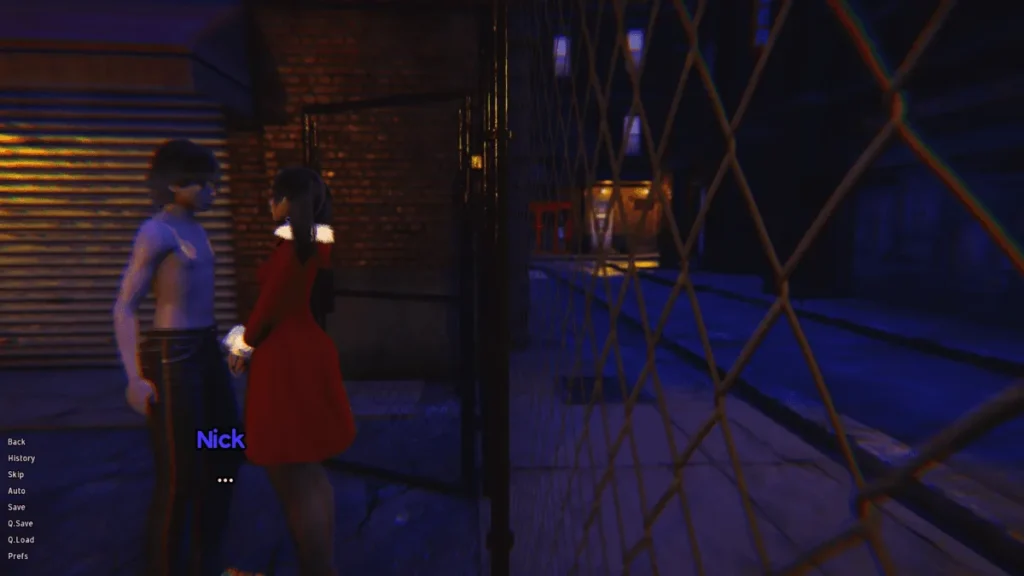
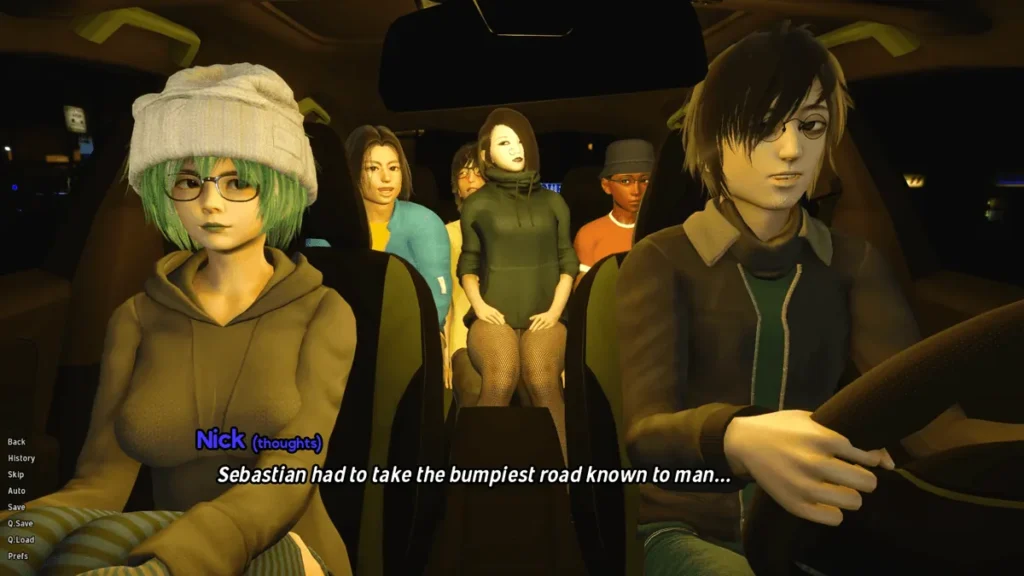
The Sin Within Screenshots
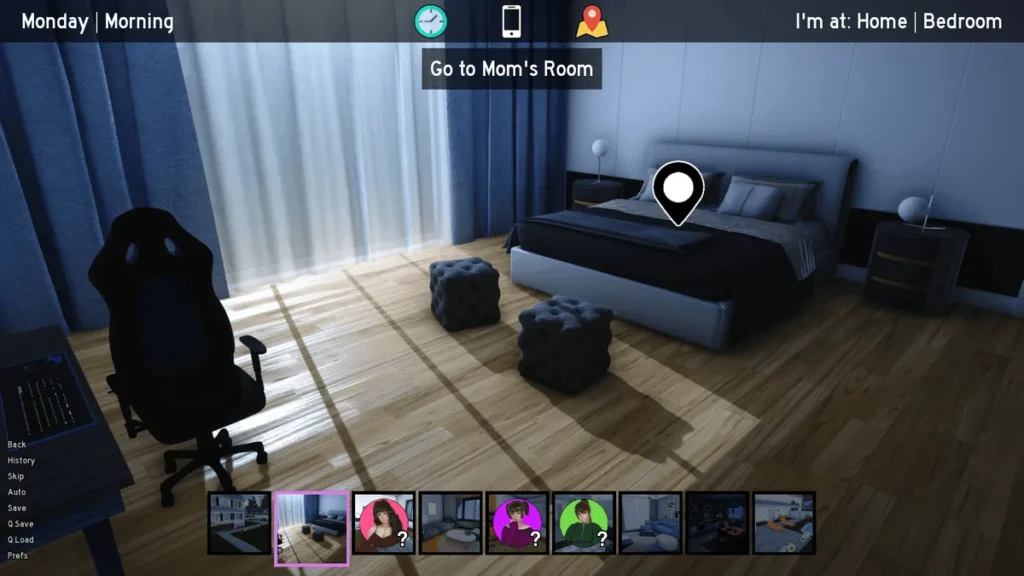
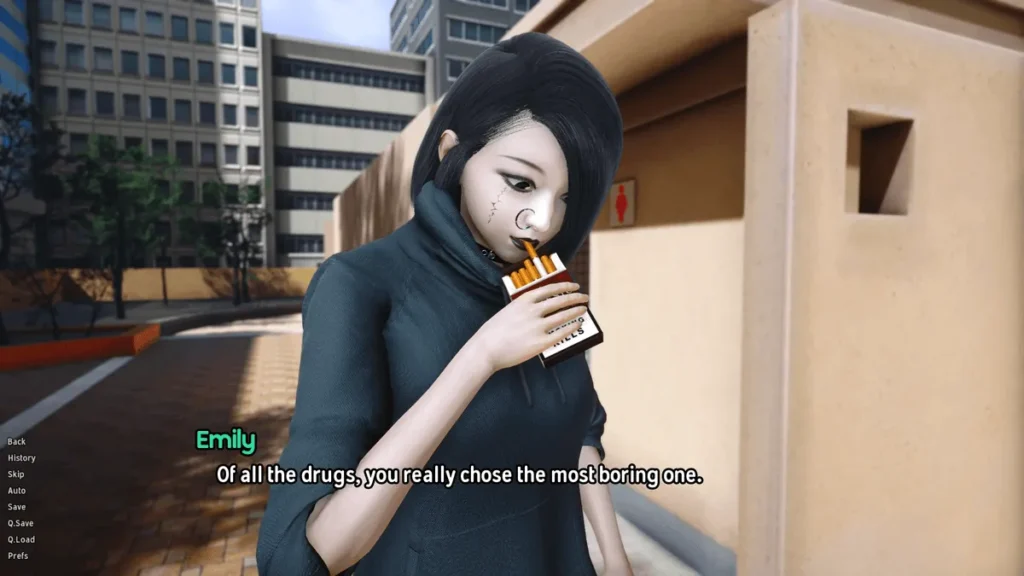
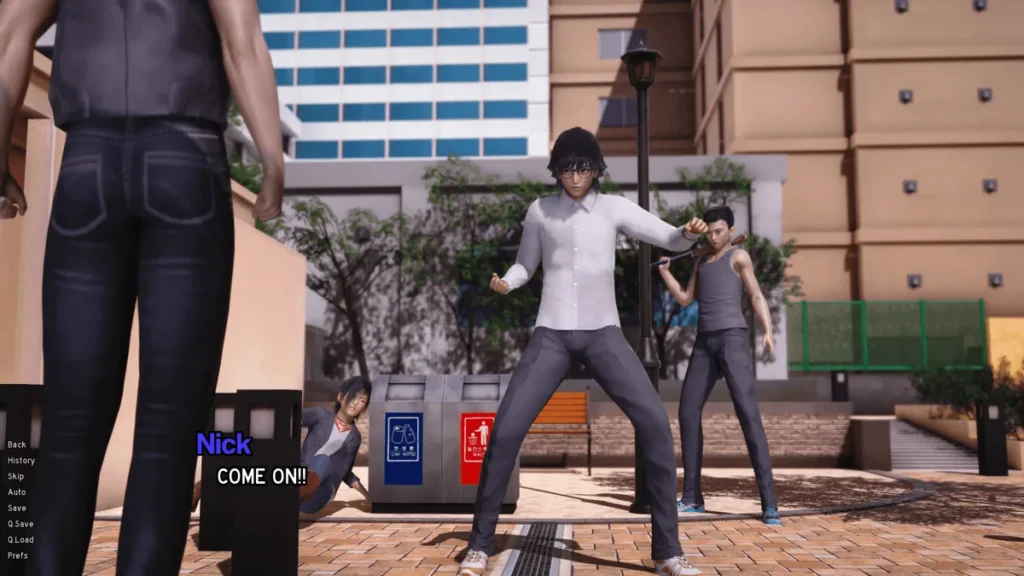

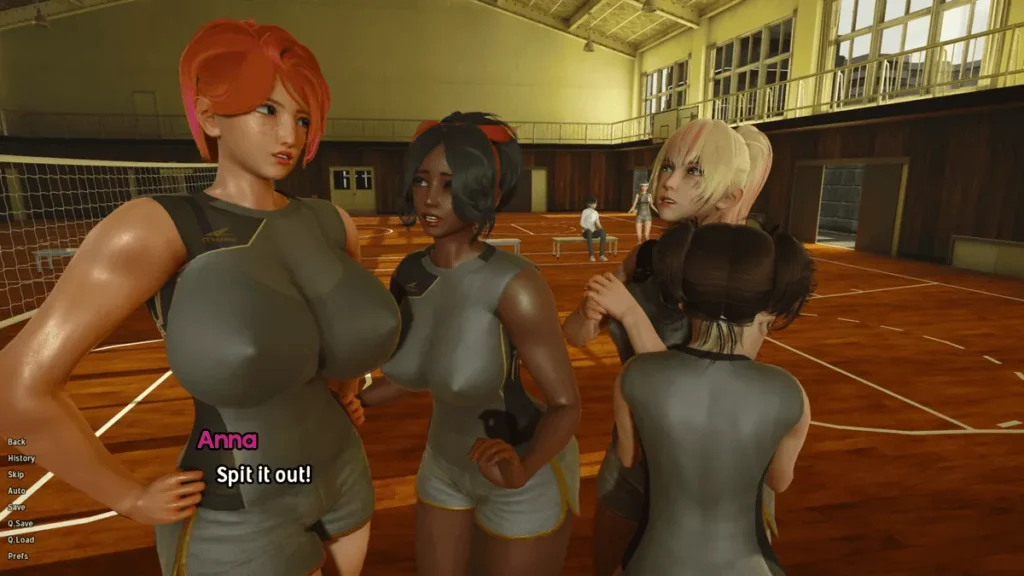
The Sin Within review
Exploring gameplay mechanics, narrative elements, and player experience in this controversial indie title
The Sin Within has emerged as a notable indie game that combines narrative-driven gameplay with mature content themes. This guide explores the game’s mechanics, story elements, and what players can expect from the experience. Whether you’re researching the title before playing or seeking detailed information about its features and reception, this comprehensive overview covers the essential aspects of The Sin Within. Understanding the game’s structure, content approach, and player feedback will help you determine if it aligns with your gaming preferences.
Understanding The Sin Within: Game Overview and Core Mechanics
Let’s be honest, my first few hours with The Sin Within were… frustrating. 🤦♂️ I died. A lot. I crept through its grim, rain-slicked city streets, convinced I’d mastered its stealth mechanics, only to be brutally dismantled by a creature I never saw coming. I reloaded, tried a different approach, and failed again. But then, something clicked. This wasn’t a game about winning through brute force; it was a tense conversation between my choices and the world’s cruel consequences. That moment of understanding transformed my entire The Sin Within player experience. Suddenly, every shadow held meaning, every quiet moment ratcheted up the tension, and every decision felt weighted with genuine dread. This is the unique magic this indie title weaves.
So, what exactly is this game that inspires such strong reactions? At its heart, The Sin Within is a narrative-driven, psychological survival experience. It defies a single genre label, blending claustrophobic exploration, methodical stealth, and desperate, resource-starved combat into a cohesive and oppressive whole. You are not a hero. You are a survivor, often outmatched and under-equipped, navigating a decaying urban landscape twisted by a mysterious, metaphysical corruption. The core loop is one of cautious progression: scavenge for precious supplies, avoid or cleverly confront threats, and piece together the haunting story through environmental clues and fraught interactions. The atmosphere is the true antagonist here, a character in itself that constantly asks, “How much are you willing to sacrifice to see the next dawn?”
What is The Sin Within and its gameplay foundation?
Fundamentally, The Sin Within is an exercise in sustained tension and moral unease. Available on PC and major consoles, its performance is generally solid, though the visual style—a grimy, low-poly aesthetic drenched in oppressive lighting—is a deliberate artistic choice that won’t appeal to everyone. This isn’t a graphical powerhouse; it’s a mood generator. The gameplay foundation is built on scarcity and consequence. Your inventory is perpetually nearly empty. A single bullet feels like a treasure, a health kit a lifeline. This scarcity forces you to think, to plan, and often, to run.
My own “case study” moment came early. I was trapped in a derelict apartment building with two corrupted “Watchers” patrolling a hallway. I had one bullet and a makeshift noise-maker. The obvious The Sin Within gameplay mechanics solution was to lure one and shoot the other. But I hesitated. What if more were nearby? What if the gunshot attracted something worse? I spent a full five minutes just watching their patterns, heart pounding, before opting to painstakingly sneak past them both, saving my bullet. The relief was palpable, but so was the regret later when a tougher enemy appeared, and I had no ammunition. That’s the game’s core: your choices, even the successful ones, have a cost.
The setting is a protagonist in its own right. You’ll navigate abandoned subway tunnels, condemned high-rises, and streets littered with the echoes of catastrophe. The atmosphere is thick with dread, achieved not through jump scares (though there are a few) but through impeccable sound design, unsettling visual distortions, and a narrative that seeps into the environment. You’re always questioning what you see and hear. This foundation supports everything else: a narrative that feels earned because you struggle for every fragment of it, and mechanics that feel impactful because failure is always just a misstep away.
How does the narrative structure drive player engagement?
This is where The Sin Within truly separates itself from the pack. Its indie game narrative structure is not a linear path you follow, but a fragile web you navigate—and often tear. The story of the “Cascade,” the event that broke the city, and your own mysterious connection to it, is not delivered in cutscenes. It’s in the graffiti on the walls, the audio logs of lost souls, the way certain areas react to your presence. The game story progression is directly tied to your exploration and your decisions.
You’ll meet other survivors, each clinging to their own shattered version of reality. Do you trust them? Help them? Use them? These interactions are the engine for character development in The Sin Within, but not just for them—for you. The game has a subtle, brilliant system where your actions and dialogue choices shift your own psychological state, represented by visual and auditory cues in the world. Become too violent, and the world seems more hostile, sounds become angrier. Pursue truth and connection, and you might glimpse fleeting moments of beauty in the decay. Your playstyle literally changes your perception of the narrative.
I remember choosing to betray a character, Kael, who promised me safe passage in exchange for medicine I desperately needed for myself. I took the medicine and left him. The game didn’t flash a “Chaotic Evil” notification. Instead, later, my character began hearing whispers in Kael’s voice, and reflections in puddles would sometimes show his face instead of my own. The story had internalized my sin. This reactive, environmental storytelling is the pinnacle of its indie game narrative structure, making the plot feel deeply personal. You aren’t watching a story about hard choices; you are living one, and the narrative structure ensures you feel the echo of every single one.
What are the primary gameplay mechanics and systems?
The Sin Within’s systems are deceptively simple on the surface but interlock to create profound depth. They are the tools of your survival and the instruments of the game’s psychological pressure. Let’s break down the key pillars.
Exploration & Scavenging: This is your primary activity. Every drawer, corpse, and shadowy corner might hold resources. The game masterfully uses light and sound to guide (or mislead) you. A flickering bulb might highlight a path, while a distant cry might warn of danger or signal an opportunity. The environment is a puzzle in itself.
Stealth & Awareness: Direct confrontation is usually a last resort. A dynamic sound meter and light-exposure indicator are your best friends. Crouching, moving slowly, and using environmental noise (like throwing a bottle) are essential. Enemies have distinct sight and hearing ranges, and learning their behaviors is crucial. The tension here is top-tier.
Decision-Making & Consequences: This isn’t about binary “good vs. evil” choices. It’s about pragmatic survival with moral residue. Do you spend your last lockpick on a door that might have supplies, or save it for a gate marked as an escape route? Do you intervene in a struggle between two NPCs, potentially gaining an ally or losing vital resources? The game tracks these choices in subtle ways, altering future encounters, available resources, and even the ending you receive.
Combat & Resource Management: When stealth fails, combat is a clunky, terrifying affair. Weapons degrade, aim is intentionally unreliable under stress, and every shot must count. You’ll craft rudimentary items, but components are scarce. This system ensures that fighting always feels like a failure of planning, reinforcing the game’s core themes of vulnerability.
| Mechanic System | Core Function | Player Impact |
|---|---|---|
| Psychological State System | Internal morality tracker influenced by player actions and choices. | Alters visual filters, audio cues, and certain story triggers, personalizing the narrative. |
| Dynamic Threat AI | Enemies patrol, investigate sounds, and adapt search patterns based on player behavior. | Creates unscripted, tense encounters where no two stealth segments feel identical. |
| Degradation & Scarcity Loop | Weapons and tools break; resources are extremely limited and non-respawning. | Forces constant evaluation of risk vs. reward, making every item use a meaningful decision. |
| Environmental Storytelling | Lore and plot delivered through visuals, audio logs, and world details instead of cutscenes. | Drives engagement through player curiosity and discovery, making the world feel alive and haunted by its past. |
A key piece of actionable advice from my playthrough: Embrace the “Failure” State. 🧠 In many games, dying and reloading is a reset. In The Sin Within, even a reload carries the psychological weight of the choice that led to your death. Use failed attempts as learning experiences about the environment and enemy patterns. Sometimes, pushing forward with low health and no ammo after a brutal encounter leads to the most memorable and desperate moments of The Sin Within player experience.
The balance between narrative and gameplay is this title’s greatest achievement. The mechanics aren’t just challenges to overcome; they are the physical manifestation of the story’s themes of scarcity, guilt, and perseverance. The slow, deliberate game story progression feels earned because you fought for every inch of it. The character development in The Sin Within feels authentic because it is catalyzed by your own stressful decisions under pressure. In my The Sin Within game review of the systems, I find them purposefully oppressive, sometimes frustrating, but ultimately brilliant in how they serve the whole. They aren’t designed solely for fun; they’re designed for immersion in a specific, harrowing mood.
In conclusion, The Sin Within is a masterclass in how indie game mechanics and systems can be woven directly into a narrative’s DNA. Its gameplay is the story, and its story is played, not watched. It asks you to be cautious, paranoid, and thoughtful. It punishes recklessness not just with a “game over” screen, but with a deepening sense of despair. For players seeking a challenging, atmospheric, and intellectually engaging journey where every bullet and every word matters, this controversial title offers an experience that lingers long after the credits roll. It proves that in the right hands, limitations—of resources, of strength, of simple answers—can be the most powerful tools for crafting an unforgettable adventure.
The Sin Within represents a specific category of indie gaming that prioritizes mature narrative themes alongside interactive gameplay. Understanding the game’s mechanics, content approach, and player reception provides valuable context for anyone considering the experience. The game has generated discussion within gaming communities about how indie developers approach mature content and player agency. Whether The Sin Within aligns with your gaming interests depends on your comfort with its content presentation and your expectations for narrative-driven gameplay. For those interested in exploring indie titles that tackle unconventional themes, researching player reviews and content descriptions beforehand ensures an informed decision about your gaming experience.