Twisted Memories
Play Twisted Memories
Twisted Memories Screenshots


Twisted Memories review
Explore the dark narrative, mechanics, and moral choices in this provocative visual novel
Twisted Memories stands out as a provocative visual novel that challenges conventional storytelling through its unsettling premise and complex narrative structure. The game follows a middle-aged man who mysteriously travels back in time, inhabiting his younger self’s body while retaining all his future knowledge and cynical perspective. This unique setup creates a fractured psychological experience where players navigate relationships and make morally ambiguous choices that shape the story’s direction. Whether you’re interested in narrative-driven experiences or exploring unconventional game design, understanding Twisted Memories’ core mechanics and thematic elements provides valuable insight into what makes this title distinctive in the visual novel genre.
Understanding the Core Premise and Narrative Foundation
Let’s be honest—we’ve all had that fantasy. Staring at the ceiling at 3 AM, wondering what you’d do if you could go back. 🤔 You’d fix that one mistake, say what you really meant, or maybe just buy a whole lot of Bitcoin. It’s a comforting daydream, a power fantasy where you get to be the hero of your own past.
Twisted Memories takes that fantasy, douses it in gasoline, and sets it on fire. 🔥 This isn’t a story about getting a second chance. It’s about being handed a live grenade of your own regrets and being told you have to carry it. The Twisted Memories premise is the brutal, ingenious engine of this psychological horror game, and understanding it is key to navigating its dark, compelling waters.
The Time-Travel Concept That Defines the Experience
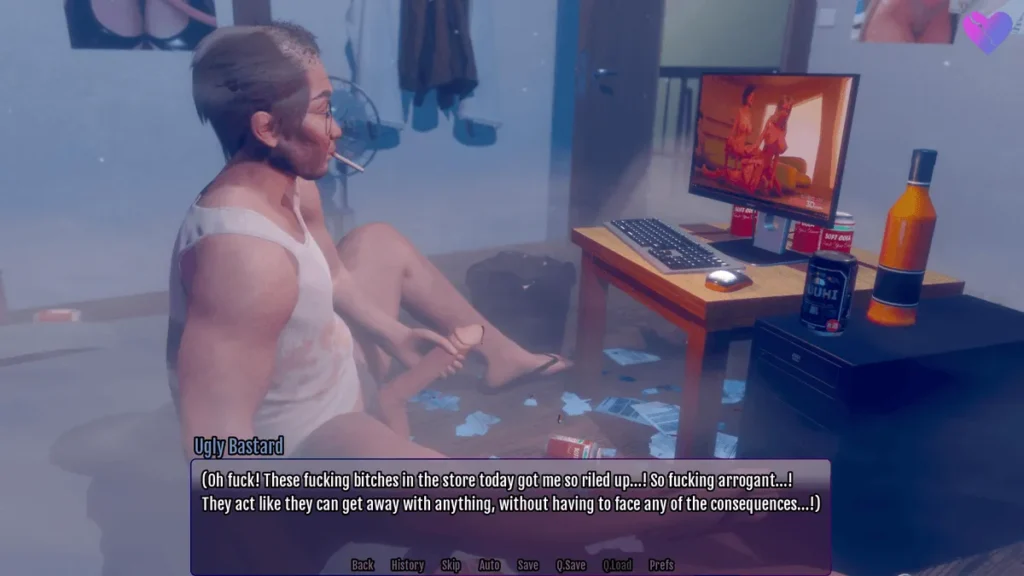
Forget fancy machines or magical artifacts. In Twisted Memories, the shift happens with a brutal, inexplicable simplicity. One moment, you’re a man in your forties—no family to speak of, a career that never took off, living in a dingy apartment that smells of regret and instant noodles. The next, you’re staring at your teenage face in a bathroom mirror you haven’t seen in decades. 🪞
But here’s the cruel twist: only your body has changed. Your mind—the weary, cynical, and bitterly experienced consciousness of that failed adult—is fully intact. You remember every disappointment, every betrayal, every tiny humiliation that led you to that dead-end life. This is the core of this time travel visual novel. You haven’t been reborn; you’ve been forcibly inserted into a living museum of your own worst memories, armed with the hindsight of how terribly it all turns out.
The horror doesn’t come from monsters in the dark, but from the daylight. It’s in the forced cheerfulness of a family breakfast you know is built on lies. 😨 It’s in hearing your old friends talk about their bright futures, knowing which of them will fail, which will betray you, and which will just fade away. The game’s genius is framing this not as a gift, but as a punishment. You’re not a time-traveling hero; you’re a prisoner serving a sentence in your own past, with the warden being your older, angrier self.
Psychological Complexity of the Protagonist’s Dual Perspective
This is where Twisted Memories truly separates itself. The protagonist isn’t a blank slate or a hopeful idealist. He’s a deeply damaged, jaded, and manipulative person. Imagine having the bitter worldview of a middle-aged man trapped in the vulnerable body of a teenager. Every interaction is filtered through a lens of resentment and foresight.
His character motivation is a toxic cocktail of rage, regret, and a desperate, ugly desire to win this time. He doesn’t want to make things better out of kindness; he wants to reshape his past to salvage his future, or perhaps just to burn it all down out of spite. This creates an incredible internal monologue storytelling experience. As you click through dialogues with parents, teachers, and love interests, you’re simultaneously listening to the protagonist’s real thoughts—scathing critiques, cruel judgments, and cold calculations about how to use this person for his own ends.
To see how this directly shapes your experience, let’s break down his core traits:
| Protagonist Trait | Influence on Story Progression | Impact on Player Experience |
|---|---|---|
| Jaded & Cynical | Opens unique, often cruel dialogue options that close off kinder paths. Makes the protagonist skeptical of help and resistant to sentimental moments. | Creates a constant tension between social expectation and internal bitterness. You feel the weight of his disillusionment in every choice. |
| Manipulative | Allows for strategic social gameplay. You can exploit knowledge of future events and teenage insecurities to steer relationships for personal gain. | Makes you complicit. Choosing the manipulative option often feels strategically “correct,” forcing moral discomfort on the player. |
| Self-Serving | Drives major plot branches toward outcomes of power, control, or revenge, rather than community or love. | Challenges the player’s own desires. Do you pursue the “good ending,” or do you give in to the protagonist’s base desire to put himself first? |
| Introspective | Unlocks deeper layers of the story and reveals the root causes of his damage during key reflective moments. | Provides moments of tragic clarity. You may not like him, but you come to understand the pain that forged him, adding depth to the horror. |
This dual perspective—the polite words you choose and the venomous internal monologue you hear—is the masterpiece of the game’s narrative structure. It forces you to live inside a profound disconnect, making you intimately familiar with a protagonist you might actively despise. You’re not guiding a hero; you’re managing a crisis of protagonist psychology.
“This game isn’t afraid to walk into the dark, dusty corners of human desire and regret that most stories keep locked. It asks what happens when regret curdles into rage, and when the fantasy of a ‘do-over’ is handed to someone who is already broken.”
How the Story Explores Regret, Revenge, and Redemption
So, what do you do with this cursed knowledge? Twisted Memories presents a tangled web of paths, all stemming from the protagonist’s damaged heart. The three R’s—Regret, Revenge, and Redemption—aren’t just themes; they are the possible destinations of your journey, each paved with difficult choices.
Regret is the suffocating atmosphere. It’s the ghost haunting every scene. The protagonist remembers every slight, every failure, every moment of weakness. But the game cleverly asks: Are his memories reliable? 😟 Is the past truly as awful as his embittered present self recalls, or has decades of disappointment painted over reality? Playing often feels like conducting an autopsy on your own life, questioning which wounds were truly fatal and which ones you simply never let heal.
Then, there’s Revenge. This is a powerful, seductive path. With the foresight of an adult, the teenage protagonist is now the smartest, most dangerous person in the room. He can identify his future bullies, his betrayers, and the sources of his familial pain. The game gives you the tools to systematically dismantle their lives before they can hurt you. You can orchestrate social ruin, plant seeds of doubt, and weaponize secrets. This path explores taboo desires—the raw, unfiltered id of someone who has felt powerless for too long. It’s a chilling examination of how sweet revenge can taste, and how utterly it can corrupt the soul.
But what of Redemption? This is the hardest road, and the game makes no promise it’s even possible. Can a man this broken, armed with this much bitterness, actually choose to be better? 🕊️ Redemption in Twisted Memories isn’t about grand gestures or erased mistakes. It’s about tiny, painful acts of resistance—against your own worst instincts. It’s choosing to be kind when you know it won’t benefit you. It’s offering forgiveness you don’t feel. It’s trying to fix a broken family dynamic not for your own future, but for the sake of the teenage version of yourself who is still, somewhere in there, innocent.
This is the profound moral core of this psychological horror game. The horror isn’t just in the situation, but in the choices you’re empowered to make. The game’s narrative structure refuses to judge you overtly; it simply shows the consequences. A choice for revenge might bring short-term satisfaction, but it will twist future events in isolated, lonely ways. A choice for kindness might feel weak and futile, but it might unexpectedly alter a thread of your fate.
Ultimately, the Twisted Memories premise forces a haunting question: If you knew how your life would turn out, and you were given a chance to change it, would you fix the world around you, or would you fix the broken person inside you? The game offers no easy answers, only a mirror, reflecting back the darkest and most vulnerable parts of our own fantasies about the past. It’s a challenging, provocative, and unforgettable journey into the heart of what it means to live with—and maybe even learn from—the ghosts of who we used to be.
Twisted Memories represents a bold approach to visual novel storytelling, combining psychological complexity with morally challenging gameplay. The game’s central premise—a cynical older man inhabiting his younger self’s body—creates a unique narrative tension that permeates every interaction and decision. Through its deliberately slow pacing, extensive internal monologues, and branching dialogue system, the game forces players to confront uncomfortable truths about desire, regret, and manipulation. Whether you’re drawn to the relationship dynamics, the psychological exploration of a fractured protagonist, or the moral ambiguity of your choices, Twisted Memories offers a distinctive experience that prioritizes narrative depth over conventional entertainment. If you’re considering playing this title, approach it with an open mind toward unconventional storytelling and a willingness to explore the darker aspects of human nature. The game rewards players who embrace its discomfort and engage thoughtfully with its themes.