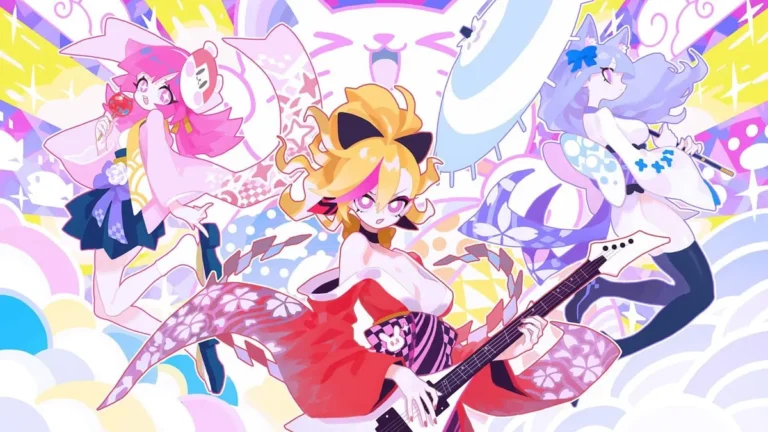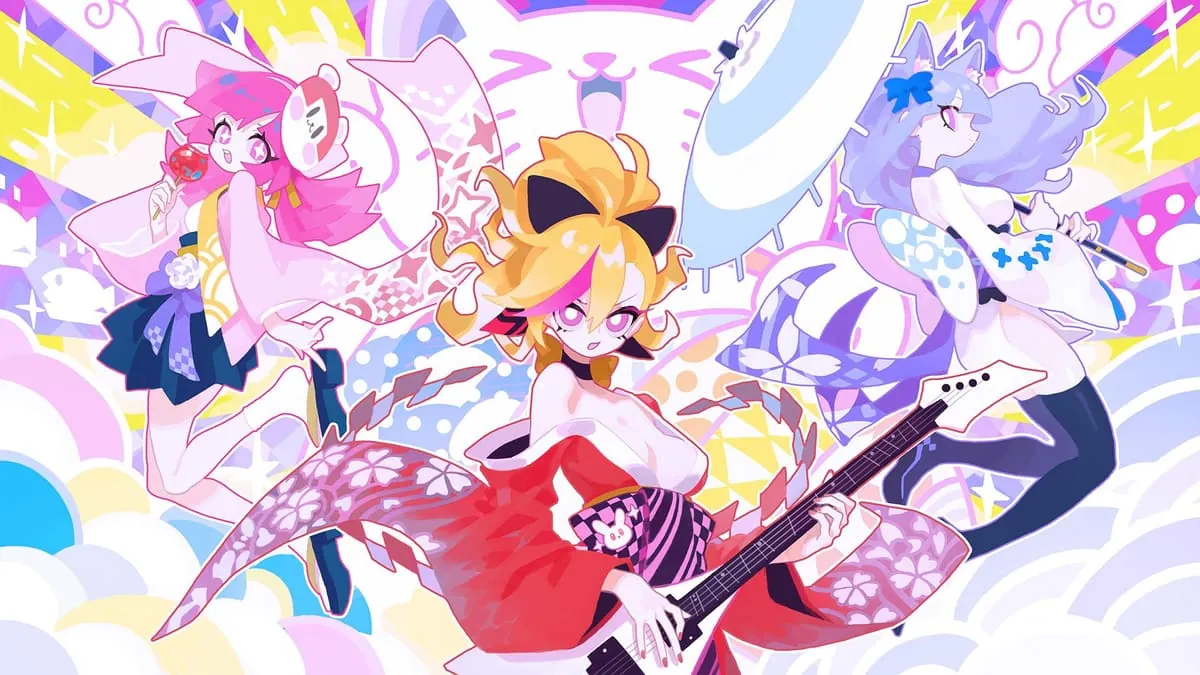
Muse Dash Screenshots
Muse Dash review
Discover why Muse Dash is the top choice for rhythm and parkour enthusiasts
Muse Dash is a vibrant rhythm game that combines parkour action with music-based gameplay, offering an unforgettable experience for fans of the genre. Developed by PeroPeroGames, this Chinese-made title has captivated players worldwide with its lively characters, catchy tracks, and dynamic visuals. Whether you’re new to rhythm games or a seasoned pro, Muse Dash delivers a unique blend of challenge and fun. In this guide, we’ll explore what makes Muse Dash stand out, from its character designs to its immersive soundtrack, helping you understand why it’s a must-play for anyone who loves music and action.
What Makes Muse Dash a Top Rhythm Game?
How Muse Dash Combines Rhythm and Parkour
I remember the first time I booted up Muse Dash. On the surface, you’ve got this cute, colorful world with two buttons. Simple, right? Wrong. Within thirty seconds, I was grinning like a kid because this game does something that no other music game had done for me before: it makes you feel like you’re moving. 🏃♂️
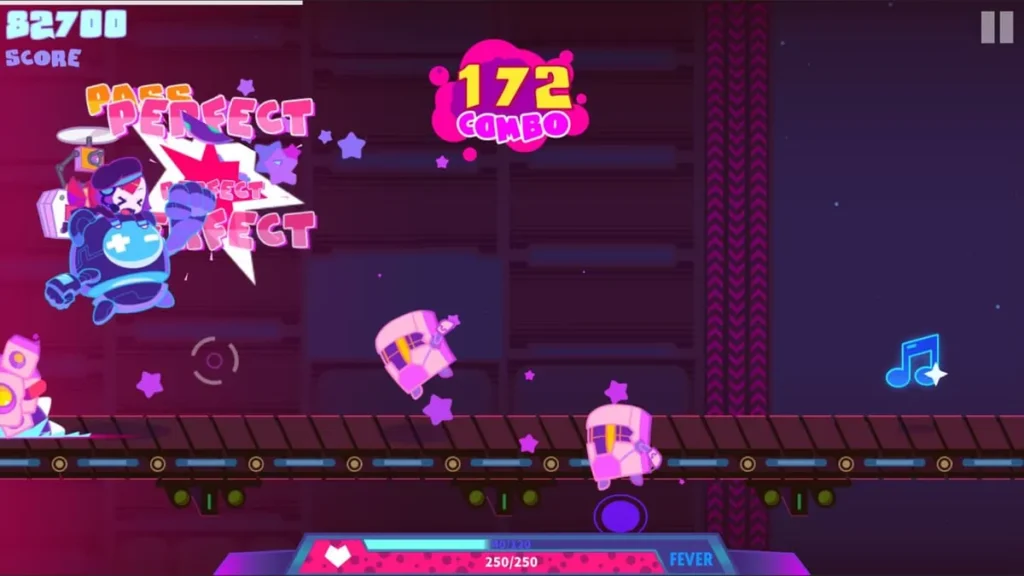
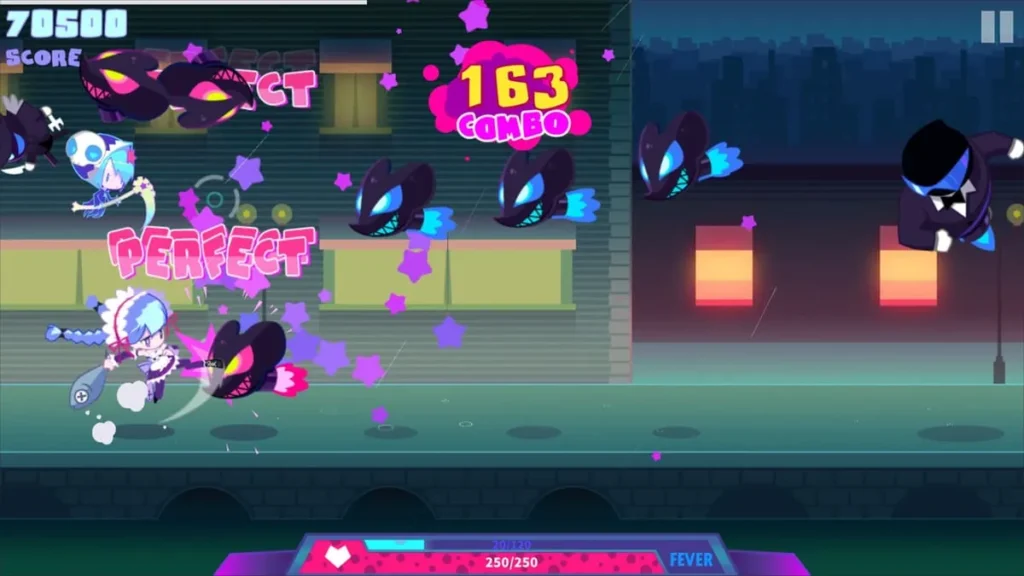
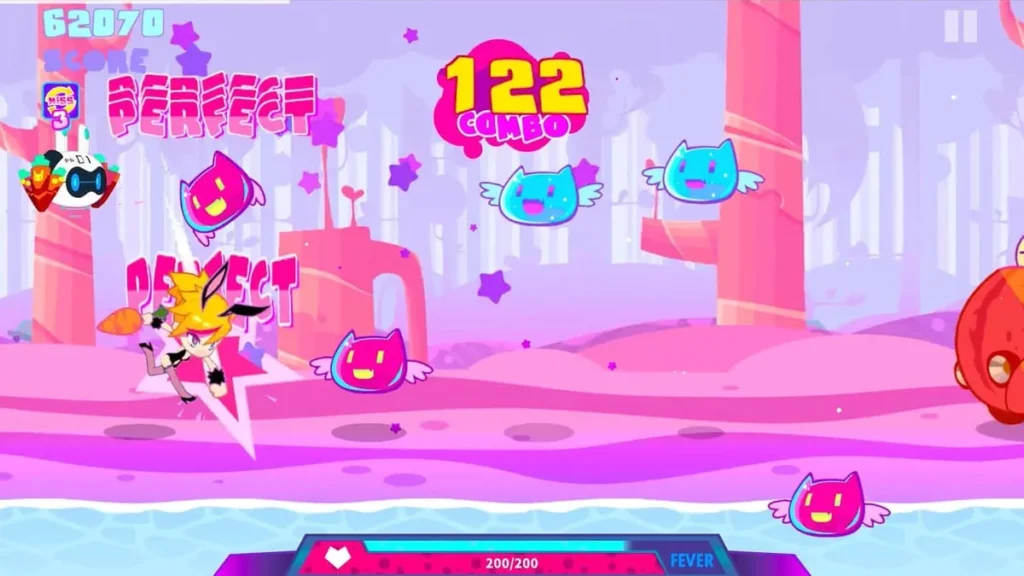
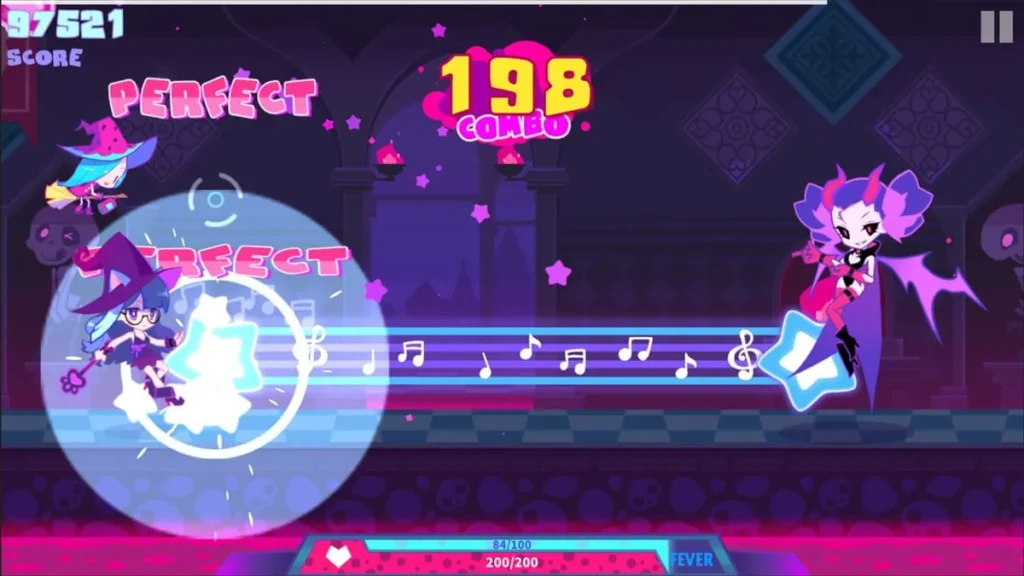
At its core, this is a Muse Dash rhythm game that refuses to sit still. Instead of tapping falling notes on a static lane, you are controlling a character who runs, jumps, slides, and wall-runs across the screen. Enemies and obstacles fly toward you from both the left and right sides. When you hit the beat, your character swings a weapon or dodges an obstacle, flowing seamlessly from one attack to the next. It’s not just about hitting every note; it’s about how you look doing it. The Muse Dash parkour action is the secret sauce here. You are no longer a disembodied cursor on a track. You are a tiny girl with a giant hammer who can wall-run while headbanging to a sick guitar riff. Every perfectly timed dodge and strike feels like your character is performing for you.
The gameplay mechanics are split between top lane and bottom lane notes. Top lane notes require you to press a button to attack airborne enemies, while bottom lane notes require you to duck or stomp on ground-level foes. This simple, two-button system makes the Muse Dash difficulty levels incredibly scalable for both beginners and experts. A new player can pick it up and mash buttons, but the real challenge comes from reading the stage, predicting enemy patterns, and syncing your movements with the music. The game even includes a hidden dodge mechanic for certain environmental hazards, which rewards players who pay close attention to the visuals. It’s a dance between your brain, your thumbs, and your eyeballs. 👀
To better illustrate why this combo works so well, let’s compare Muse Dash with a few other popular rhythm games. The table below highlights the key differences, especially regarding mobility and character variety.
| Feature | Muse Dash | Typical Vertical Scroller (e.g., osu!mania) | Typical Dance Mat Game |
|---|---|---|---|
| Core Mechanic | Two-lane platforming attack | Falling notes on a static grid | Footstep patterns on a mat |
| Character Role | Visible, animated protagonist | None or static avatar | None or static avatar |
| Primary Feedback | Seeing the character dodge/attack | Score and visual effects | Physical movement |
| Mobility/Variety | High (wall runs, slides, jumps) | Low (static screen) | Low (standing in one spot) |
As you can see, the blend of rhythm and platforming is what makes Muse Dash stand out. It’s not just a test of your sense of timing; it’s a test of your ability to read a chaotic stage and move your character through it. ☄️
Why Muse Dash Characters Stand Out
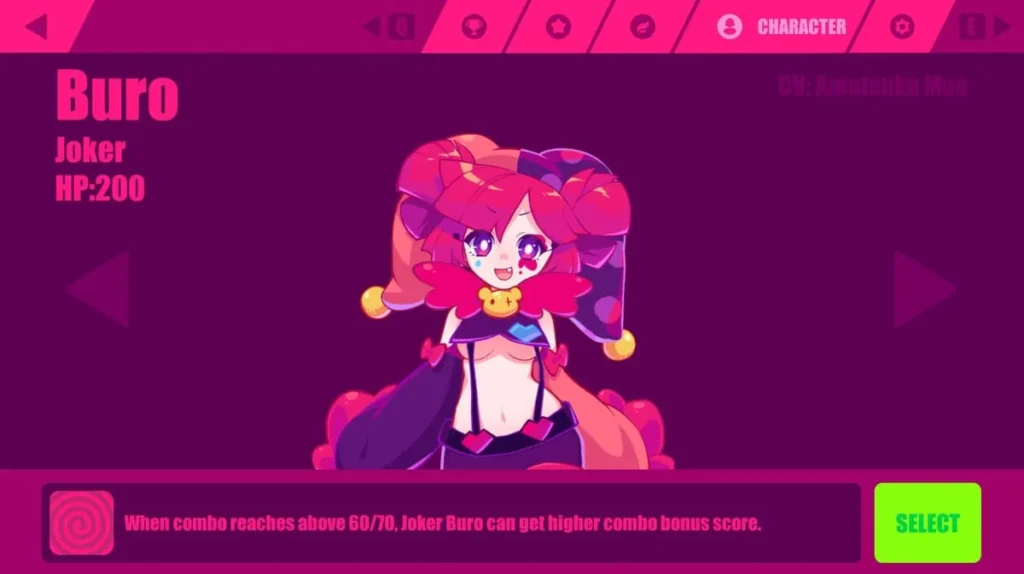
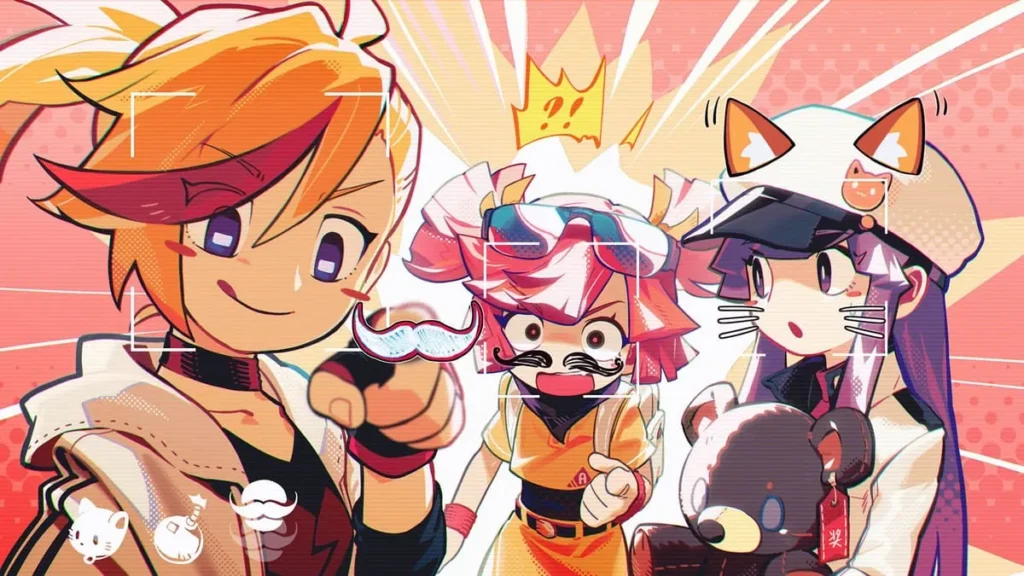
Let’s talk about Muse Dash characters because they are the heart of the experience. When you start playing, you get to choose from a roster of three main girls – Buro, Marija, and Rin. Each one has a distinct personality, combat style, and even a unique dodge animation. Buro swings a massive sword with fierce precision, while Marija floats gracefully and uses a magical staff. Rin, the ninja, zips around with lightning-fast kicks.
What really sets these characters apart, however, is how expressive they are. During a high-intensity song, your character will have a focused, determined look. When you get a perfect combo, they might smile or wink at you. When you miss a note, they stumble or look annoyed. This constant feedback loop makes you emotionally invested in their success. You aren’t just playing a beat; you are protecting a little hero from crashing into a wall. 🥺
The Muse Dash soundtrack also ties directly into character performance. Certain songs are “owned” by specific characters, and playing a character’s signature track grants you bonus points or enhanced effects. This creates a powerful synergy between who you are playing as and what you are listening to. For instance, Rin’s energetic battle themes feel faster and more aggressive when she is executing perfect combos, while Marija’s sweeter, slower ballads feel more poignant when you are playing her. This isn’t just a skin swap; it’s a genuine gameplay integration.
Is Muse Dash Suitable for All Players?
I get this question a lot, and the answer is a firm “yes,” with one small clarification. When you pick up a controller, you will find that the Muse Dash difficulty levels range from “Cute” (easy) all the way up to “Giga” (insane). A friend of mine, who had never touched a rhythm game before, was able to complete a few Cute-level songs on her first try. The game teaches you the ropes gently, with a simple tap-tap-slide flow. 🧸
However, for experienced players, the Giga and “Master” difficulties are brutal. They require perfect timing, rapid finger switching, and an almost photographic memory of enemy patterns. It’s like taking a tank to kill a fly on Cute mode, but on Giga mode, you are dodging flies that shoot lasers. The game scales perfectly, which means no one is left out.
Addressing the Mature Imagery Tag
Now, I need to address the elephant in the room. You might have noticed the Muse Dash Steam mature imagery tag on the store page. This tag is a source of confusion, so let’s clear it up right now.
Muse Dash is a rhythm game, not a porn game.
That tag exists because the game features some revealing costumes for the characters. You can unlock outfits like swimsuits or slightly suggestive cheerleader uniforms. The characters also have a few idle animations that could be seen as mildly suggestive (like a wink or a playful pose). But that’s where it ends. There is no explicit content, no sexual situations, and certainly nothing that would warrant the “adult” tag if you are a reasonable person. The developers added that label as a precaution, likely to avoid any potential issues with specific regional store policies, not because the game is filled with inappropriate material.
“Muse Dash is exactly what I was looking for—fun, challenging, and full of great music.”
— Player Review on Steam
My personal take? Unless you are extremely sensitive to anime-style art with a bit of skin shown, you will find Muse Dash to be a wholesome, exciting, and genuinely creative rhythm game. The Muse Dash soundtrack is eclectic, featuring everything from electronic dance music to J-pop and rock. It’s a celebration of rhythm and motion, not a titillating experience. So, if you love music games and you are curious about a fresh take on the genre, give Muse Dash a try. You might just find your new favorite digital dance partner. 🎵
Muse Dash is a standout rhythm game that successfully blends parkour action with music, offering an engaging experience for players of all skill levels. Its lively characters, diverse soundtrack, and dynamic gameplay make it a top choice for rhythm game enthusiasts. Remember, Muse Dash is a rhythm game, not a porn game, and any mature imagery refers to revealing costumes and suggestive poses, not explicit content. If you’re looking for a fun and challenging game with great music, Muse Dash is worth trying. Download it today and start your rhythm adventure!